Social Prescribing Day 2026
Social Prescribing plays a crucial role in improving health and wellbeing by connecting people to practical, social, and community-based support. For those experiencing loneliness, stress and isolation, or dealing with health conditions that medicines alone can’t treat, these connections can make all the difference.
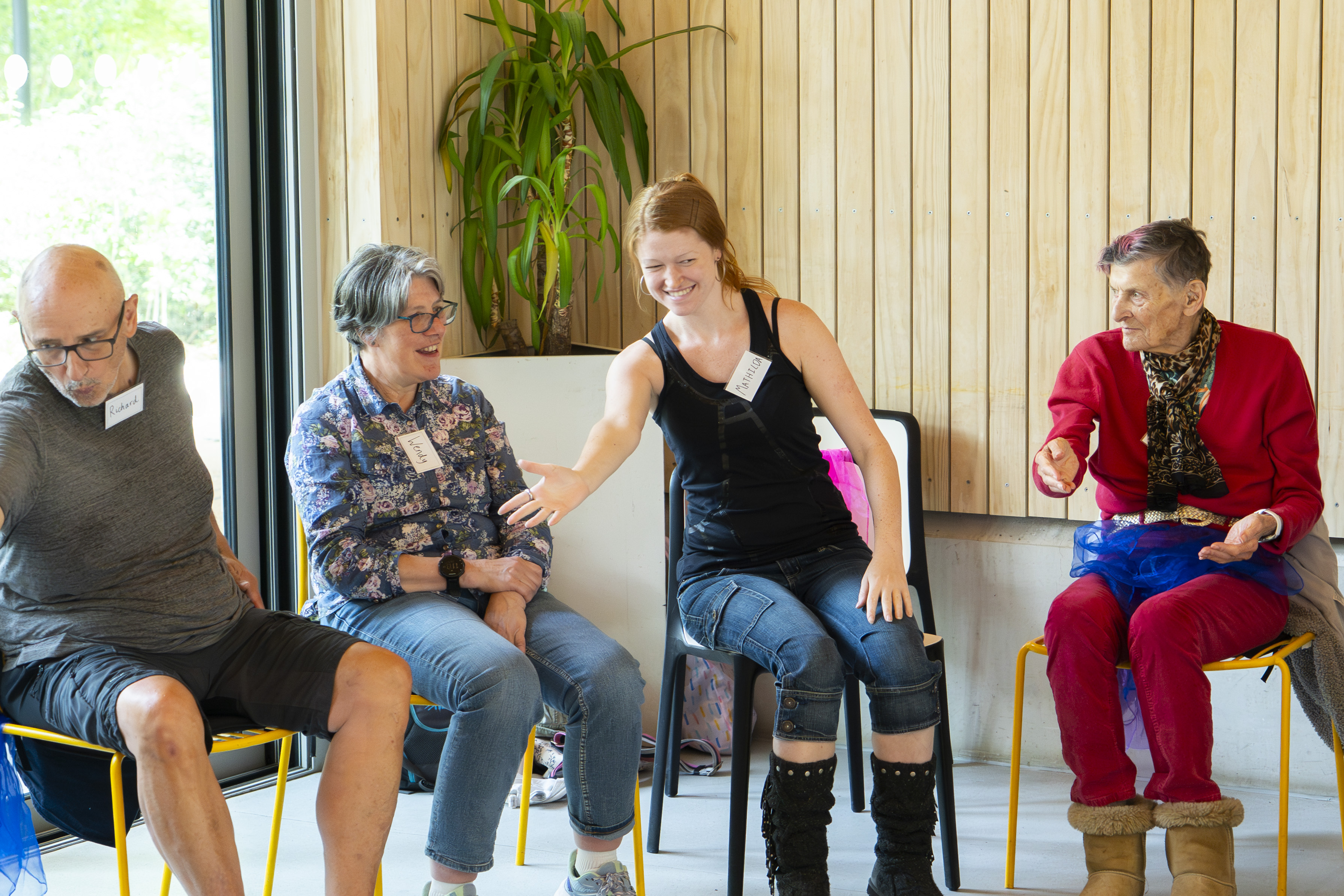
At English National Ballet, we believe in the power of dance to lift us all. We run a range of Dance for Health classes that give those living with conditions like Parkinson’s and dementia a space to feel the benefits of dance. Our home, the Mulryan Centre for Dance, is a welcoming Dementia Friendly Building.
We are delighted that here in our local East London community, classes are being prescribed to those living with dementia. Suzy De Freitas is an NHS Social Prescriber who recommends English National Ballet’s Dance for Dementia classes to the people she works with.
In celebration of Social Prescribing Day, we met with Suzy to find out more…
What does a Social Prescriber do?
There are a broad range of issues that can have a big impact on someone’s overall health and wellbeing. Social Prescribing recognises that a holistic approach can go a long way in supporting people to feel better.
In my role as a Social Prescriber I spend time understanding a person’s situation and needs and help them set personal goals. I connect them to local services or activities (e.g. support groups, exercise classes, debt advice, volunteering) and provide ongoing support and encouragement.

Why is engaging in arts and culture good for wellbeing?
Involvement in arts and culture can have a powerful impact on people’s health and wellbeing because it supports emotional, social, and even physical needs in ways that traditional medical approaches often cannot.
At its core, creative health recognises that activities like music, art, dance, drama, and writing are not just hobbies, they can be meaningful tools for healing and connection.
Arts and culture can play a key role in reducing loneliness and isolation. Group activities like community choirs, art classes, dance or theatre groups create opportunities for people to connect with others, build relationships, and feel part of something. This sense of belonging is strongly linked to better wellbeing.
Taking part in creative activities can help people rediscover a sense of purpose. Achieving something, no matter how small, can rebuild self-esteem and motivation.
From a physical and psychological perspective, creative engagement can lower stress and anxiety levels, improve mood and resilience, encourage routine and structure and support cognitive function (especially in older adults).
What was your experience of taking a Dance for Dementia class?
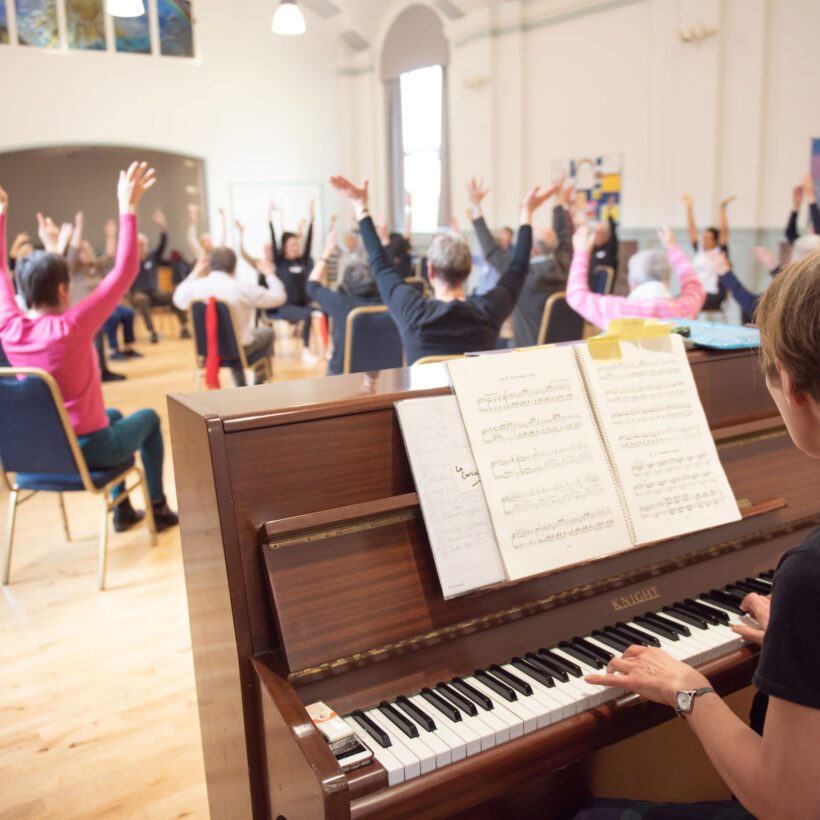
My colleague and I had the opportunity to observe and take part in the class. We found the session to be highly engaging and inclusive, with a welcoming and supportive atmosphere.
It was particularly encouraging to see how participants responded to the music and movement and many appeared more relaxed, engaged, and confident as the session progressed. The class not only supported physical activity but also encouraged social interaction and emotional expression, which are especially important for individuals living with dementia.
I was especially struck by how adaptable the session was, ensuring that everyone could participate at their own pace and ability. Overall, I felt it was a valuable and effective approach to supporting health and wellbeing, and it clearly demonstrated the benefits of creative health interventions in a community setting. The dancers gave clear, easy to follow instructions, accompanied by a pianist, creating a structured and engaging session.

How have patients responded to being prescribed English National Ballet’s classes?
Prescribing Dance for Dementia classes to patients/carers has generally been very positive. Many carers of those living with dementia are interested in the idea, particularly when they understand that the sessions are tailored, inclusive, and focused on wellbeing rather than performance.
Sometimes, a bit of encouragement is needed initially if people are lacking in confidence, uncertain about what to expect, or have concerns around their physical ability – especially for those living with dementia or experiencing social isolation. In these cases, I find it helpful to clearly explain the supportive and non-judgemental nature of the classes, and to reassure them that they can participate at their own pace.
Building trust is key. When patients/carers feel reassured and understand the benefits such as improved mood, social connection, and gentle physical activity they are more willing to give it a try. In some cases, sharing feedback or examples from others who have attended can also help reduce any anxiety.
Overall, while encouragement is sometimes needed, many patients who do attend find the sessions enjoyable and beneficial, and are keen to continue once they have had that initial experience.
What do patients and families say about the classes?
The feedback I have received has been overwhelmingly positive, from patients and their families and carers. Many report that they feel happier, more relaxed, and more engaged after attending the classes. They often enjoy the music and movement, and it’s clear that the sessions provide a sense of enjoyment and stimulation.
Find out more about English National Ballet’s creative health opportunities here.
Related news

Creating moving, meaningful experiences – on stage and beyond
With our national tour underway, we explore how English National Ballet opens up the possibilities of ballet - through performance,...
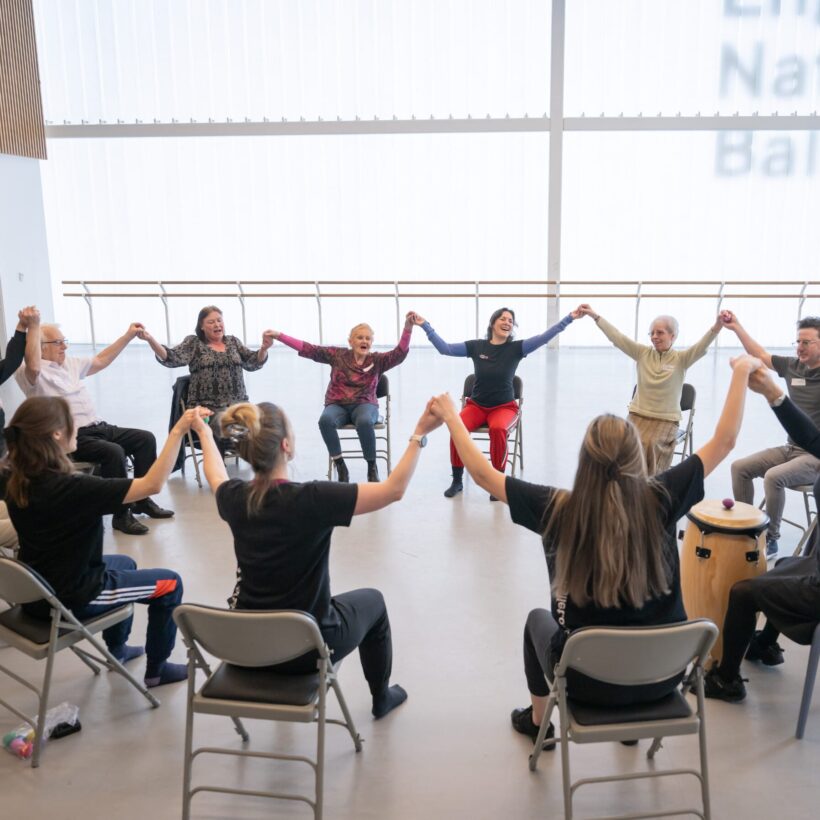
Community and joy: What Dance for Dementia means to volunteers Katja Rochat and Margaret Duffy
This National Volunteers Week we caught up with two of our amazing Dance for Dementia volunteers Katja Rochat and Margaret...
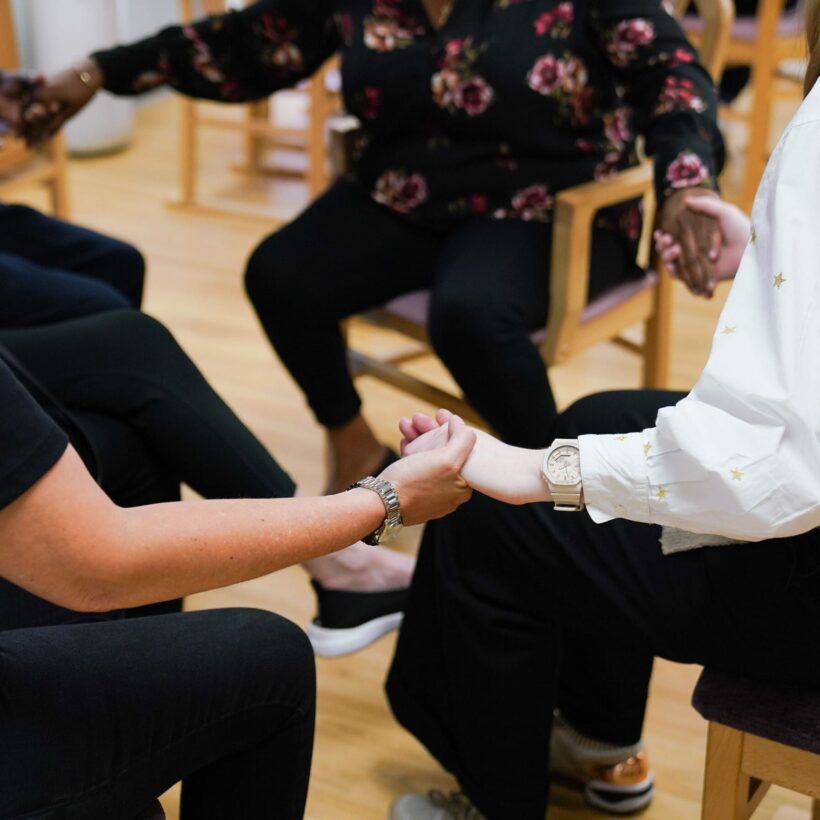
Eight things you didn’t know about ENB’s Dance for Dementia
Since launching in 2023, English National Ballet’s Dance for Dementia classes have reached nearly 300 participants.
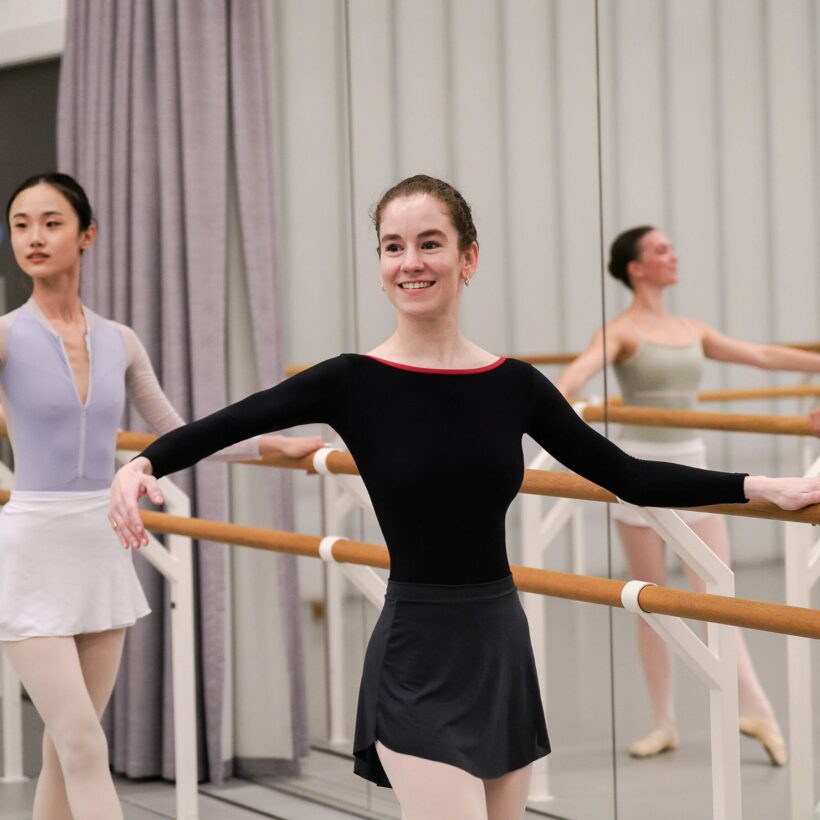
Dance x wellbeing: The transformative power of ballet
At English National Ballet, we believe that dance is more than just performance – it’s a powerful tool for physical,...
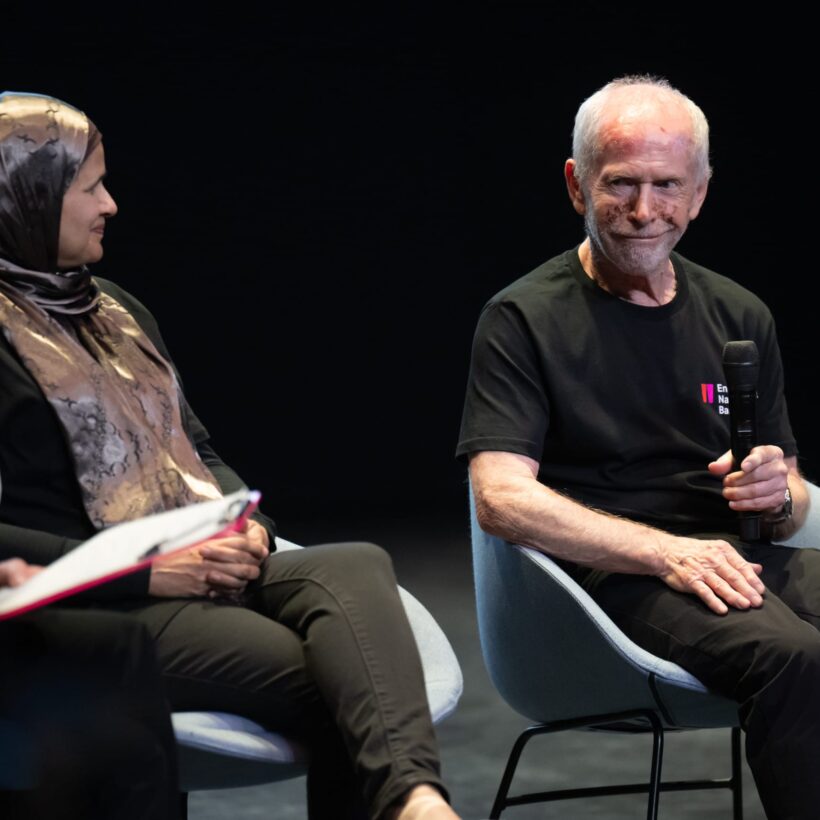
“It’s just great fun”: Q&A with Dance for Parkinson’s Performance Company member, Peter Vosper
Hear from Dance for Parkinson's Performance Company member, Peter Vosper, on how dancing changed his life.