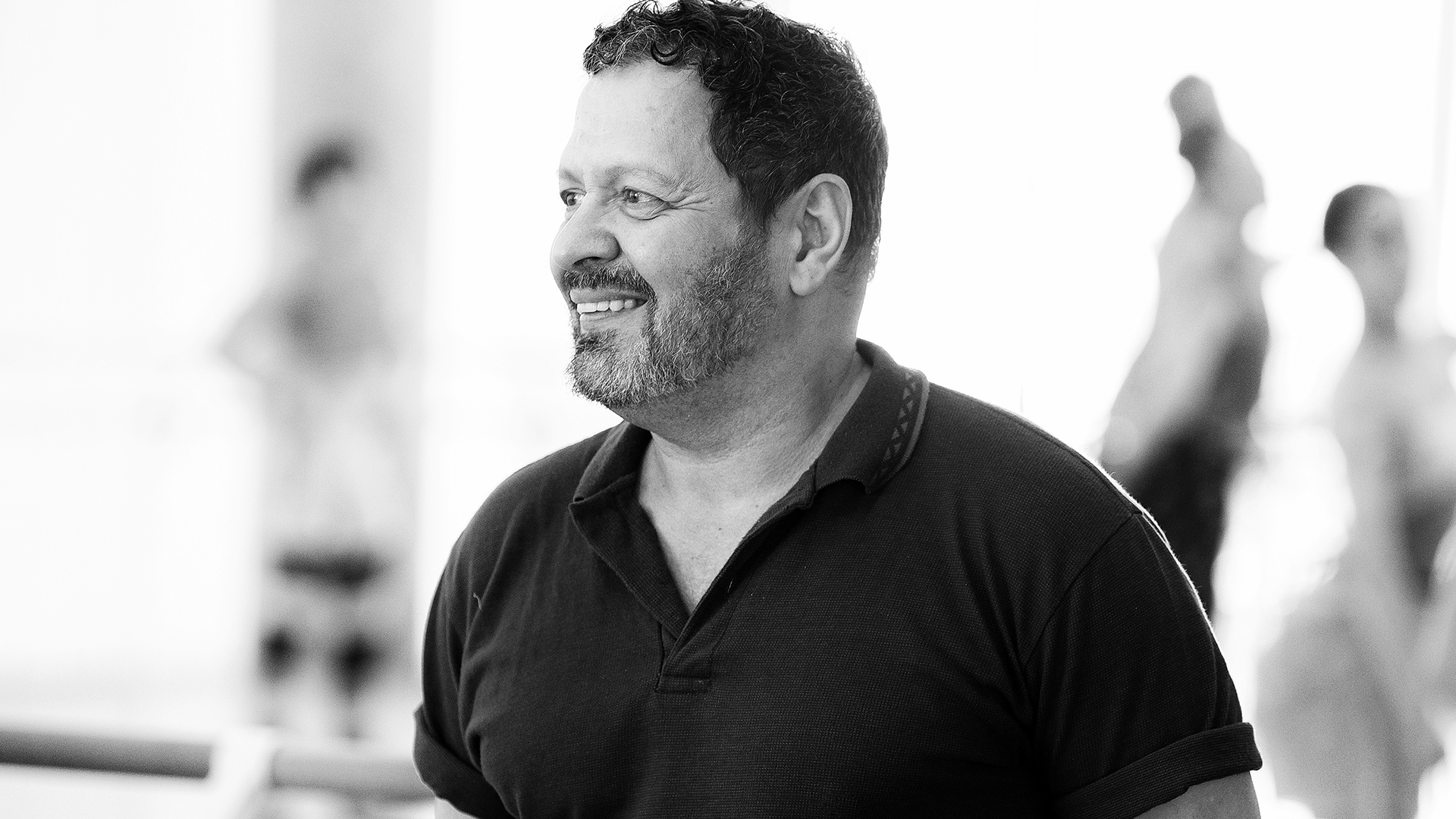
Inside the rehearsal room: a Repetiteur’s journey to opening night
A repetiteur helps guide a ballet from the first rehearsal to the final performance.
That can mean teaching steps, rehearsing dancers, keeping the choreography consistent, giving notes, and helping our artists feel confident in the work. The role changes depending on the production, but it’s always about supporting both the choreographer and the dancers.
How do you approach staging a ballet?
“It depends if it’s a new work or a revival,” Renato explains.
“The two experiences are almost incomparable. With a new piece, like Proper Conduct, the choreographer Kameron Saunders was in the studio creating there and then. My role was to absorb everything: the style, the counts, the steps, the casting, and crucially which parts would need more care once the choreographer leaves. I watched, listened, and learned, so I can act as guardian of the piece moving forwards.”

How does that compare to working on a revival?
“It’s completely different,” Renato says. “When working on David Dawson’s Four Last Songs which returned in autumn 2025, I taught the ballet from scratch, building the work step by step in the studio. Dawson was with the company for the final ten days – he watched everything, and then chose the aspects he wanted to refine”
“All great choreographers always surprise you,” Renato says.
“When you think you’ve got it, then they always show you another side. The piece is like a prism — the choreographer sees all the colours of the rainbow.”

What are the biggest challenges of staging a ballet?
One of the biggest challenges is time. “Sometimes you just need more time,” he says simply. “But that is a luxury at a company the size of English National Ballet.”
There are also practical challenges: “the sheer volume of steps to remember, adapting to changes of cast, or helping dancers approach the material in different ways.”
There is also a personal challenge: “Every piece, and every reprisal of a work, I learn something about myself. I learn more about the people I work with and their lives.”
Giving notes and inspiring performance requires sensitivity and trust.
“You cannot say everything all at once,” he explains. “You have to guide people carefully and remember that what you say has an impact. Sometimes you might doubt yourself, but I believe challenges are part of growth – professionally and personally.”
What do you love most about your role?
“The joy I had when I was dancing was for myself,” he reflects. “The joy I have now, watching dancers perform a piece that I was involved in as a repetiteur, multiplies by the number of people I’ve taught. 25 dancers: 25 times the joy I had when I was performing on stage!”
What stays with you after the curtain comes down on a production?
‘The personal connections’ Renato says. Long after a production closes, after the steps have blurred:
“You may not remember the piece, but the bonds remain forever.”
Renato Paroni de Castro is one of three Repetiteurs in our Artistic Team, alongside Carmen Piqueras and Erina Takahashi. Find out more about English National Ballet here.
Learn from Renato in ballet masterclasses from home, on Ballet Active here.
Related news
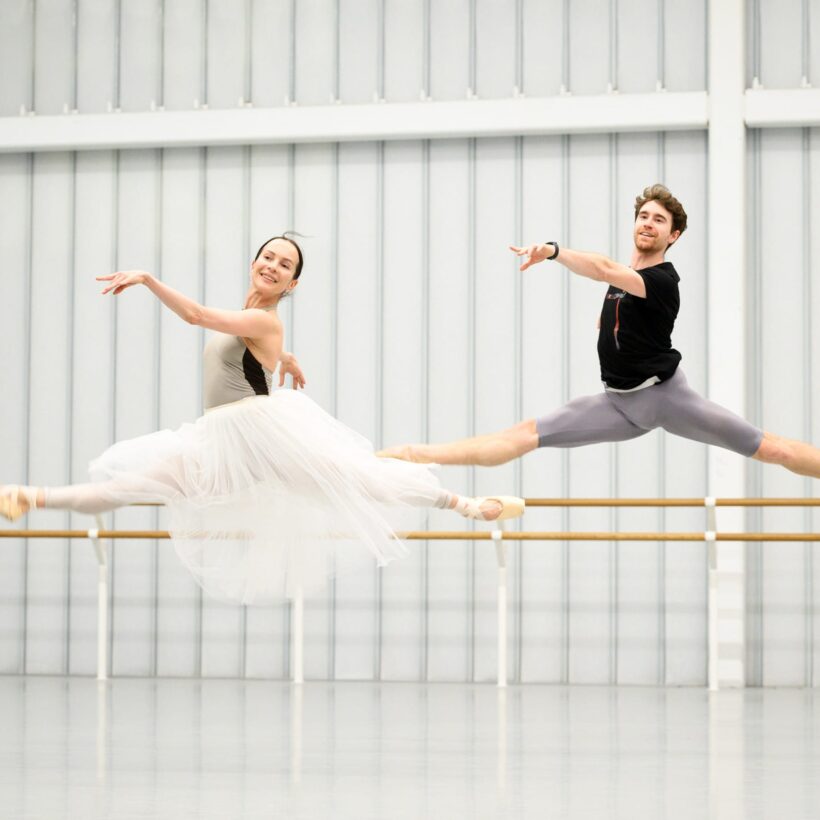
Catch up on A Celebration of Ballet
What is better than pliés, pointe shoes and pirouettes to brighten up your day?

Everything you need to know about pointe shoes
What’s the first thing that comes to mind when you think of ballet?
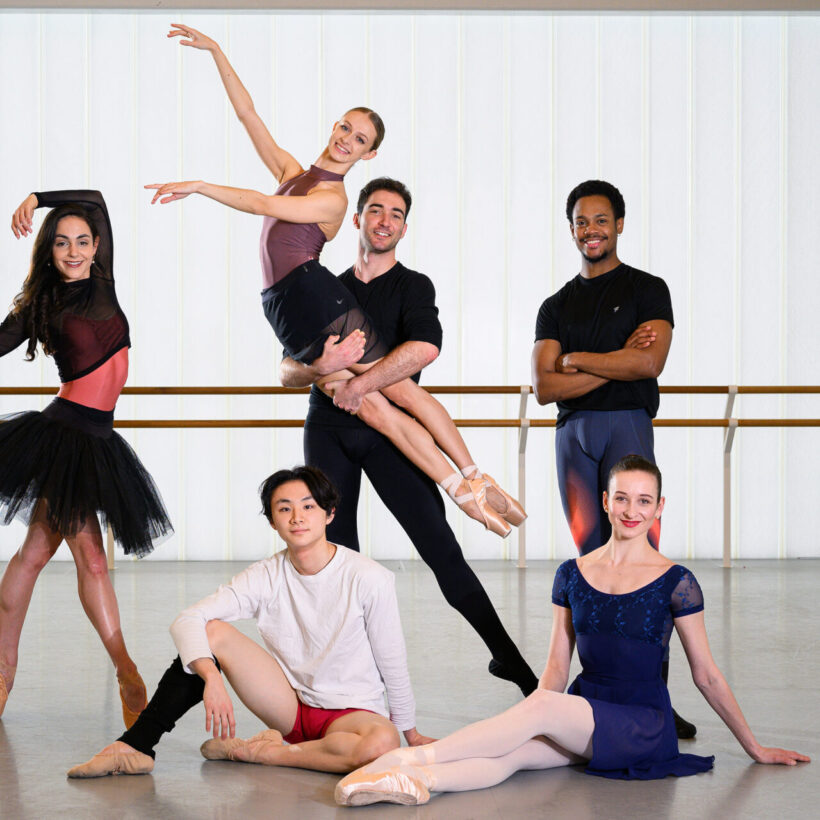
Spotlight on rising stars: Get ready for Emerging Dancer 2024
English National Ballet's celebration of its emerging talent returns on 24 May at Sadler's Wells Theatre in London, and online...