The 4 unwritten rules of being a ballet pianist
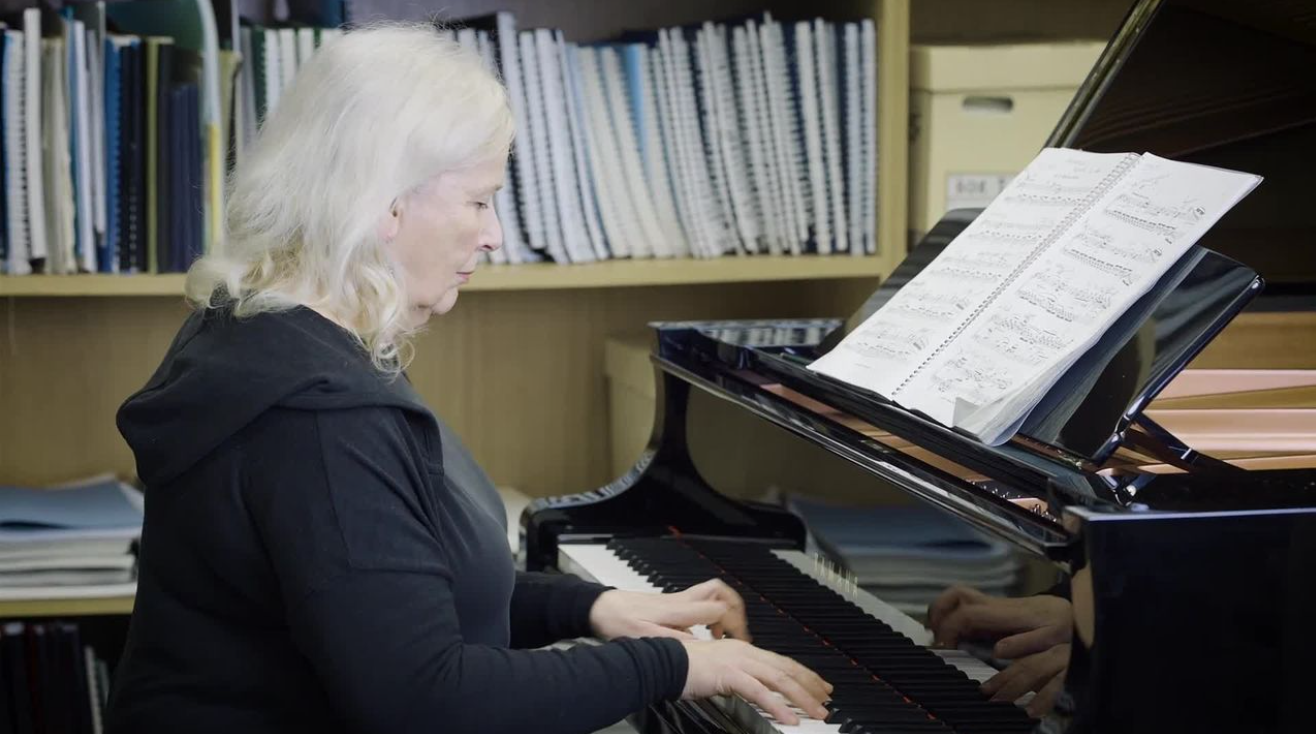
For Senior Company Pianist Julia Richter, the job is about far more than simply sitting at the piano and playing the right notes. The pianist has to understand the choreography, anticipate the dancers’ every move and bring an entire orchestral score to life - all from the piano alone.
1. Music is part of the choreography
“When playing for ballet, we’re not just playing the notes on the page. We’re replicating the full orchestral score on piano, capturing its colour, phrasing, breath, articulation, attack and character.” Julia told us.
“Every one of these details can change how a movement feels physically. A slight change in phrasing or emphasis can affect the way a dancer jumps, turns, lands or moves through space.
The music and choreography are constantly in conversation with one another – and the pianist is right in the middle of it.”
2. Know the ballet, not just the music
“Knowing which bar of music you’re in is important, but knowing what’s happening in that moment is just as important.
A ballet pianist needs to know the story, the choreography and the staging: who is entering, who is jumping, who is turning, who is falling, who is fighting.
Pianists often mark up their scores with choreography, noting the movements that happen within each bar and phrase. This allows them to follow the dancers as closely as possible and anticipate what is coming next.”

3. Follow the dancer, not the metronome
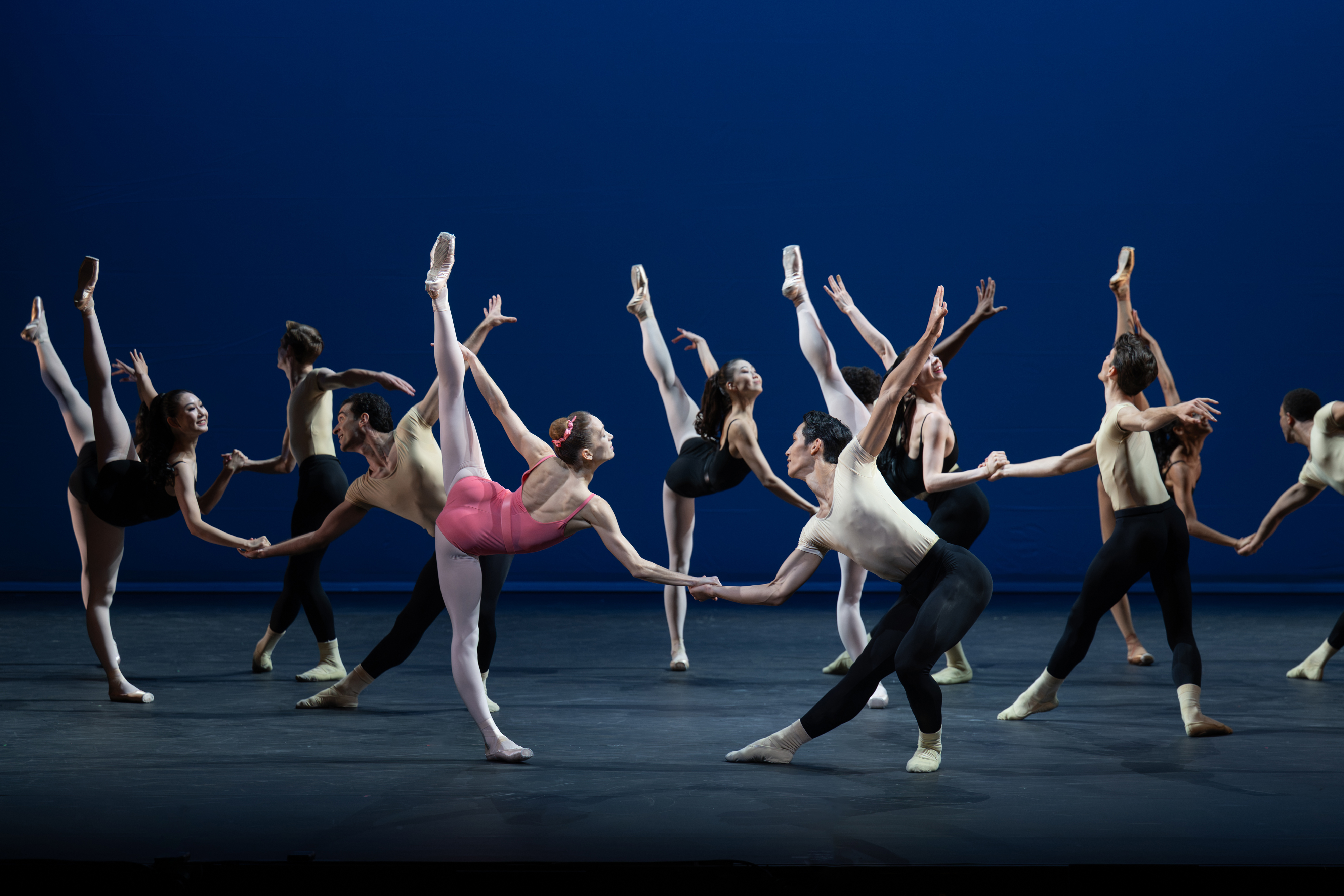
Every dancer brings their own interpretation to a role. That means the tempo can’t be fixed: it has to move with the dancer, giving them the space they need to perform at their best.
Julia explains:
“A dancer might need to take a little more time to breathe into a movement, or a phrase might naturally stretch as the choreography develops. Of course, sometimes someone is simply running late!
For the pianist, the important thing is understanding why the tempo is changing and responding accordingly. The aim is to support the dancers, rather than force them to fit the music.”
4. A pause is never a pause
In sheet music, a pause is marked with a symbol called a fermata. It tells the musician to hold a note or silence for longer than written, with the exact length left up to them.
“A fermata might look like a simple pause on the written score, but in ballet, it can be anything but simple.
Is it a genuine pause? A dramatic moment? Or a pause that lasts for a very specific number of counts?
Once again, the choreography determines how long the music is held – often according to specific counts established by the choreographer.
So, when it comes to ballet, even a tiny symbol in the page can have a lot more going on than you might think.”
Related news

English National Ballet Philharmonic in Rehearsals
Enjoy this clip from a rehearsal of Tchaikovsky's Orchestral Suite No.3

Inside the score: Symphony in Three Movements
Music Director Maria Seletskaja takes us inside the score of Symphony in Three Movements.
English National Ballet Philharmonic: Giselle in 360° | English National Ballet
Watch English National Ballet Philharmonic in 360° as they play the climatic Act I finale of Giselle.
Song of the Earth: Gavin Sutherland on Mahler’s Das Lied von der Erde | English National Ballet
Music Director Gavin Sutherland discusses Gustav Mahler's haunting song cycle Das Lied von der Erde, the music for Kenneth MacMillan's...
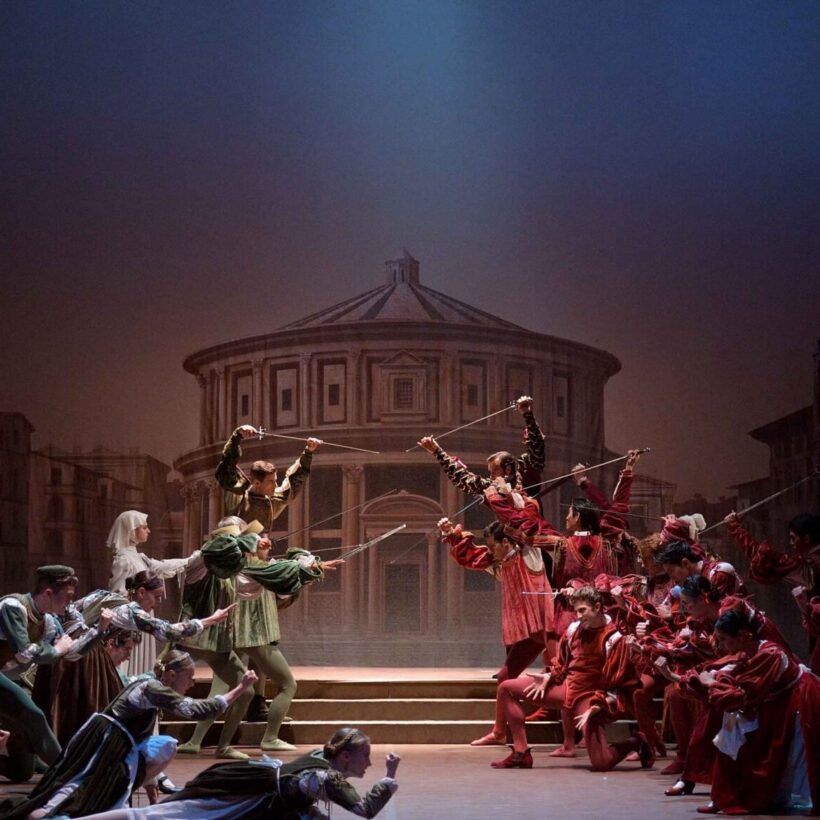
Romeo & Juliet: Prokofiev’s exhilarating score | English National Ballet Philharmonic
Members of English National Ballet Philharmonic discuss Sergei Prokofiev's exhilarating score for Romeo & Juliet.
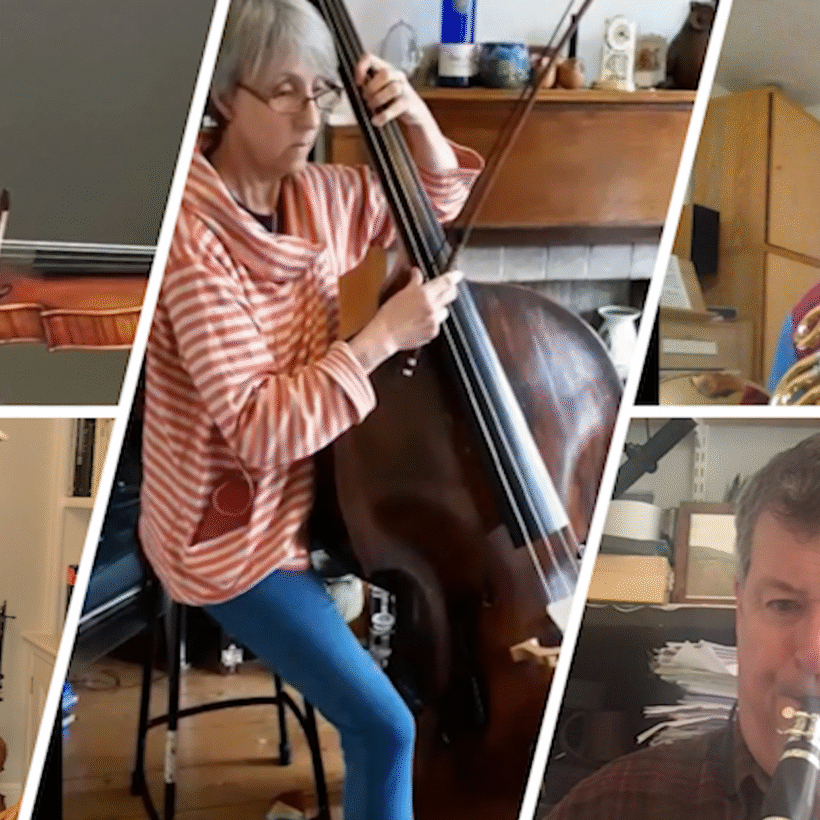
English National Ballet Philharmonic | Raymonda from home
In the spirit of #ClapForOurCarers, the #ENBPhilharmonic have remotely recorded a special excerpt from our upcoming production of Raymonda.