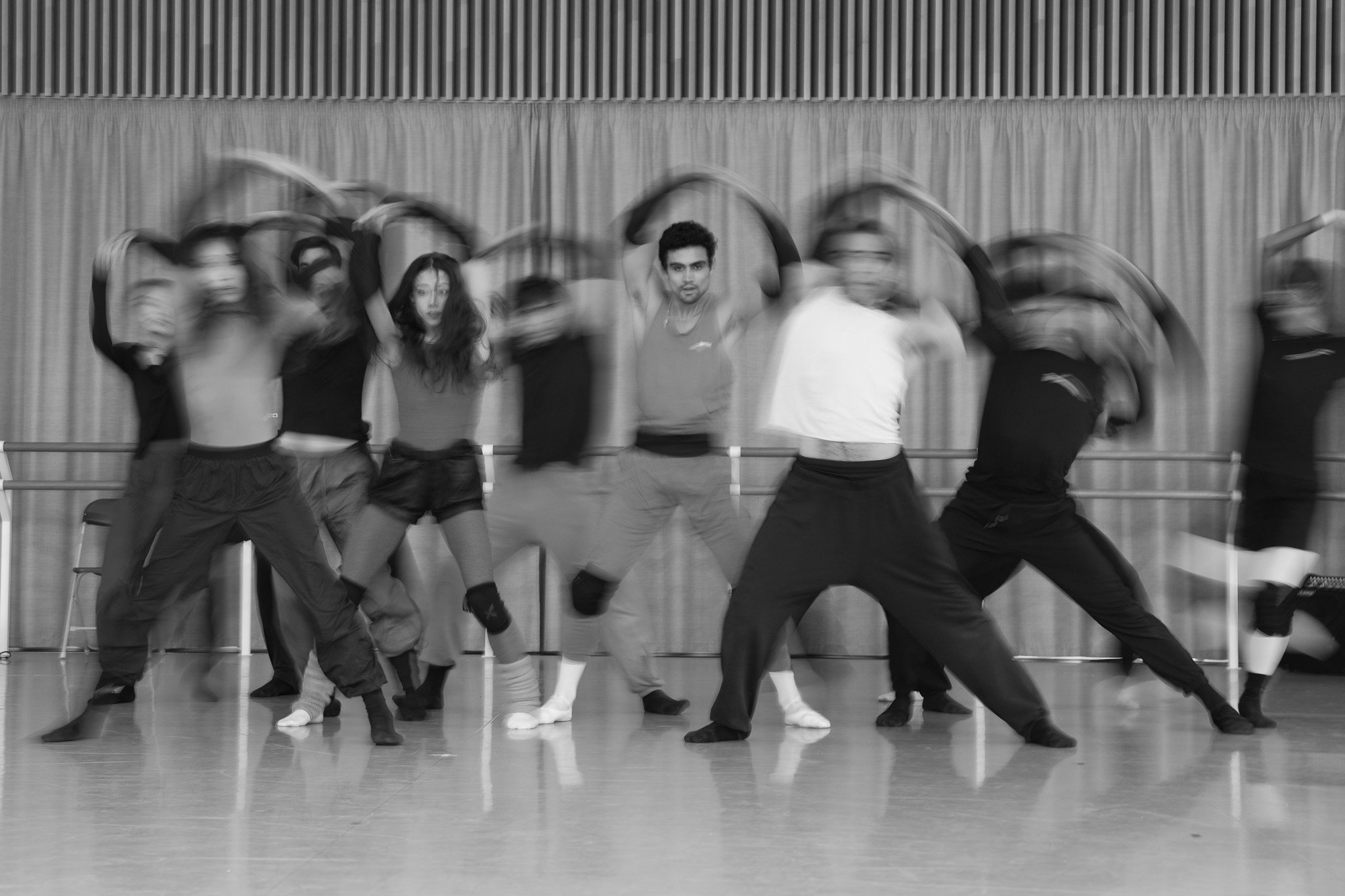
Rhythm Riot: one stage, three moods
When you come to watch Rhythm Riot, you will see three works by three different choreographers. What brings them together under this umbrella title? The idea of rhythm.
“These three works form a journey through different rhythmical states” says our Artistic Director, Aaron S. Watkin. “They invite us to listen to different beats and show us how rhythm moves through us and shapes us all.”
Here is a closer look at the three pieces – and the rhythms that we bring to life.
Symphony in Three Movements: the rhythm of the group
Symphony in Three Movements, by George Balanchine, is driven by an energy that never lets up. That momentum brings a collective of dancers together (there are 32 of them on stage) and generates a powerful, shared pulse that is thrilling to witness.
The choreographer, George Balanchine, revolutionised ballet in the second half of the 20th century by stripping away all that was ornate – the tutus, the tiaras, the big sets and stories – and putting the focus on the dancers and the steps. The choreography is fast, precise and very athletic. Symphony in Three Movements is a typical example of Balanchine’s “leotard ballets”, as they later became known.
“Beneath the abstract surface lies a real current of tension, of power and of collective momentum” says Watkin.
Watch a clip of Boston Ballet performing the piece:
The music, written for orchestra by Igor Stravinsky, is dynamic, propulsive and full of shifts. If it sounds like the soundtrack for a World War II newsreel, it’s because part of it was originally commissioned for that purpose. You’ll hear an atmosphere of urgency and force.
As our programme opener, Symphony in Three Movements will strike a match and ignite the night.
Listen to Symphony in Three Movements here:
Auguries of Innocence: the universal rhythm deep within
The beat of Auguries of Innocence, by Jae Man Joo, is more introspective. It makes us tune in to something that vibrates deep within us.
For this new ballet, Joo, a Korean choreographer based in the USA, will “employ a series of powerful images to show the world with compassionate eyes, recognising both humanity and the spiritual realm”, he says.
He is inspired by William Blake’s poem of the same name, Auguries of Innocence, which begins with these famous lines:
To see a world in a grain of sand
And a heaven in a wild flower,
Hold infinity in the palm of your hand
And eternity in an hour
In Rehearsals: Auguries of Innocence
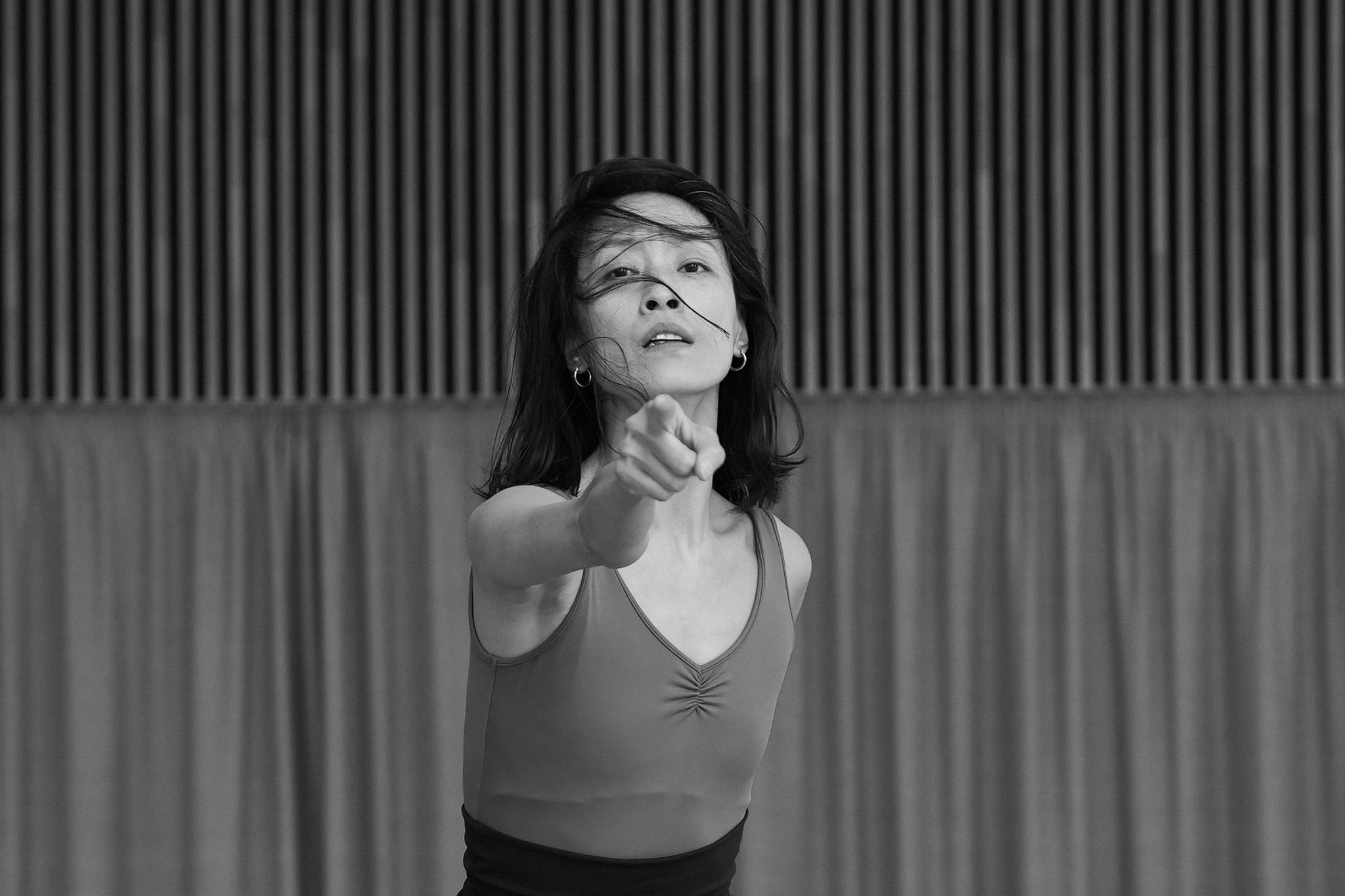
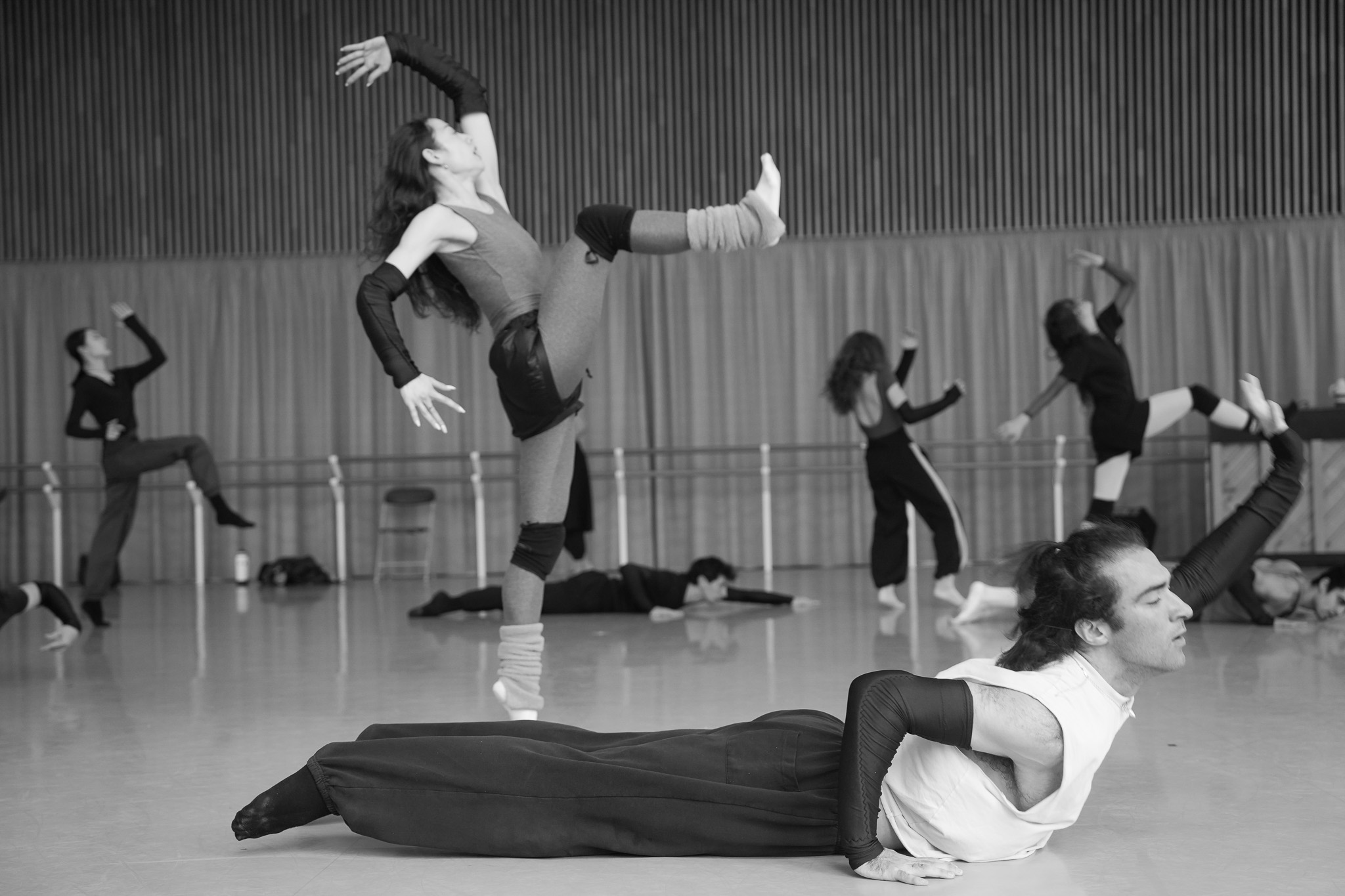
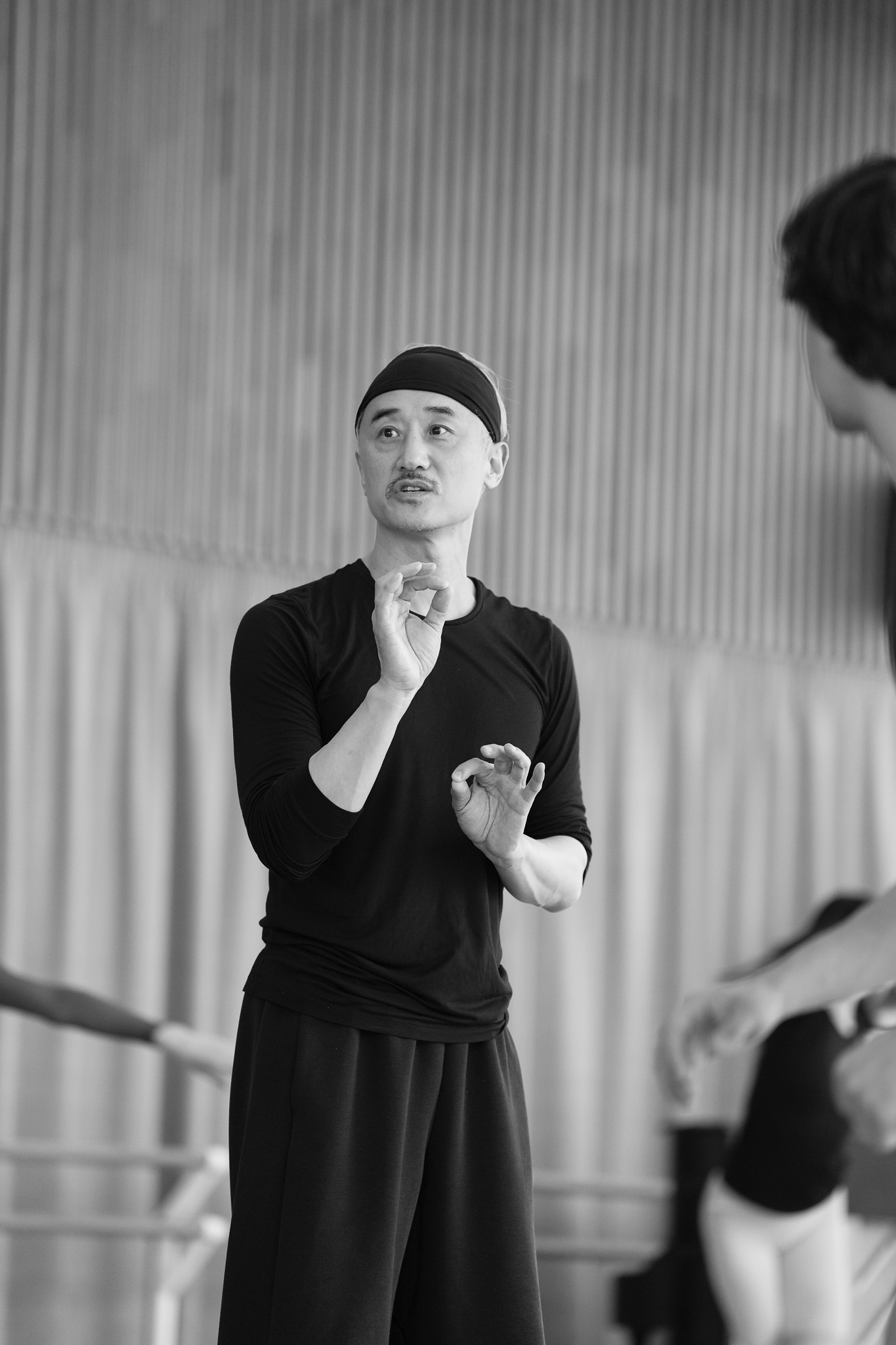
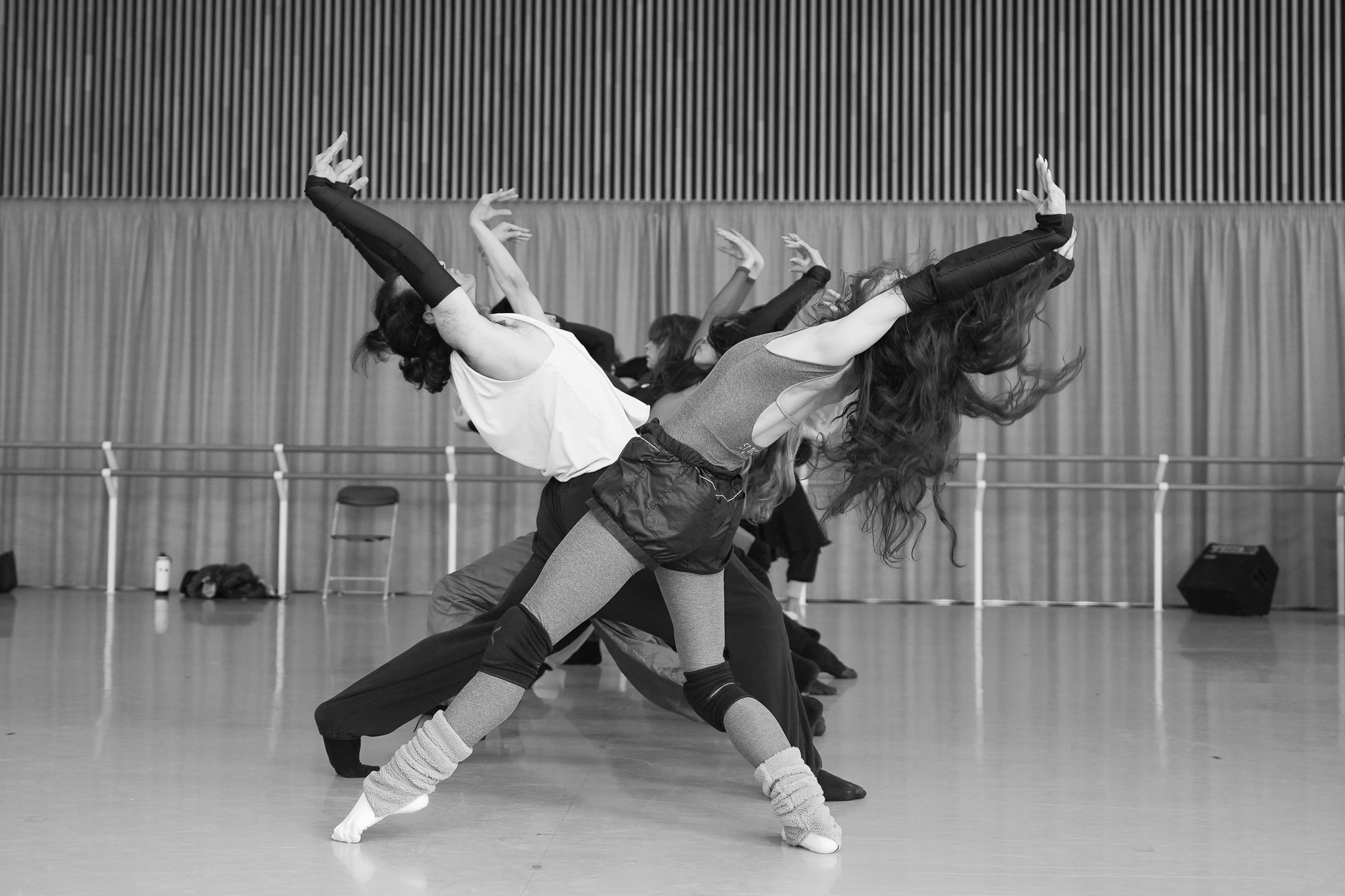
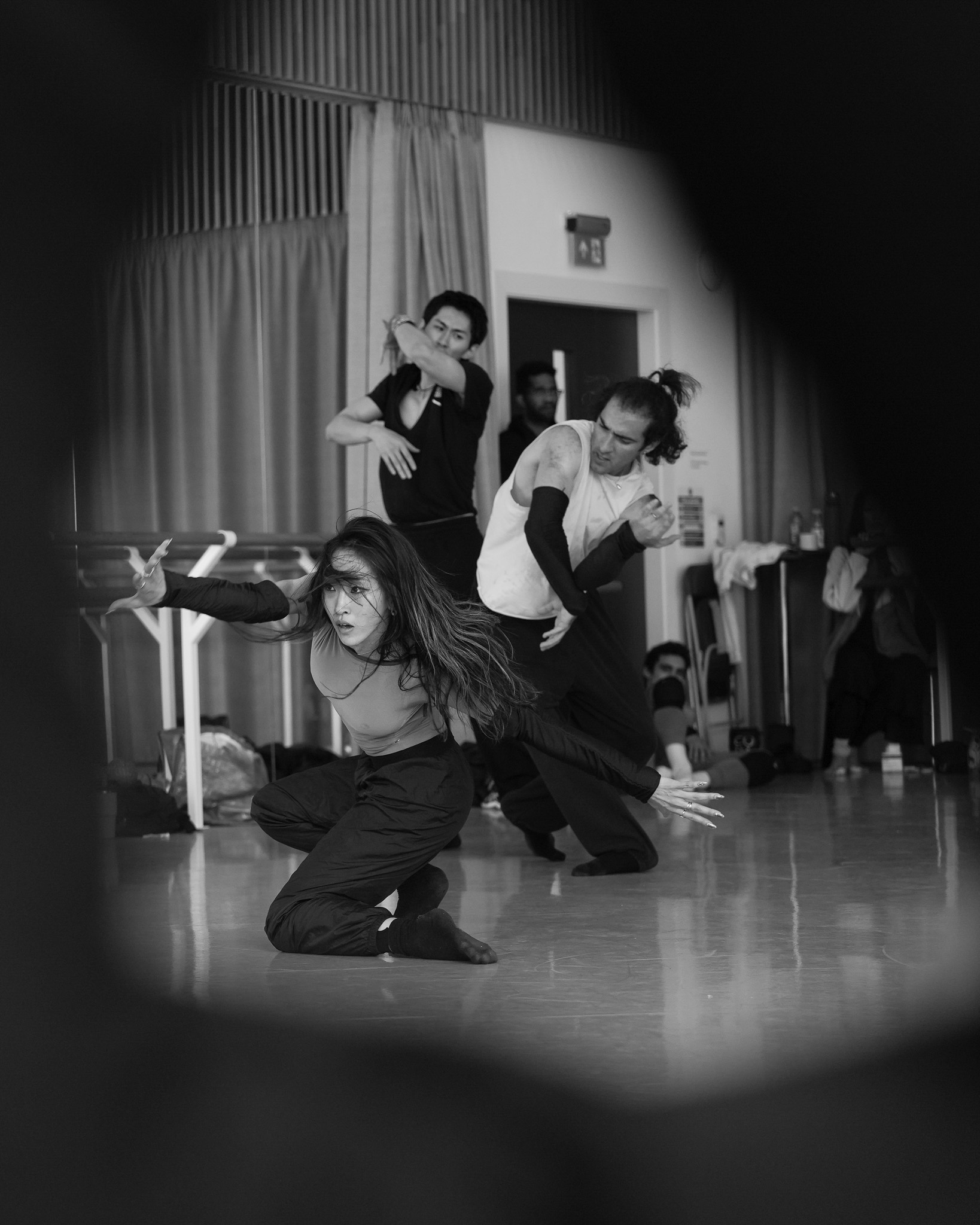
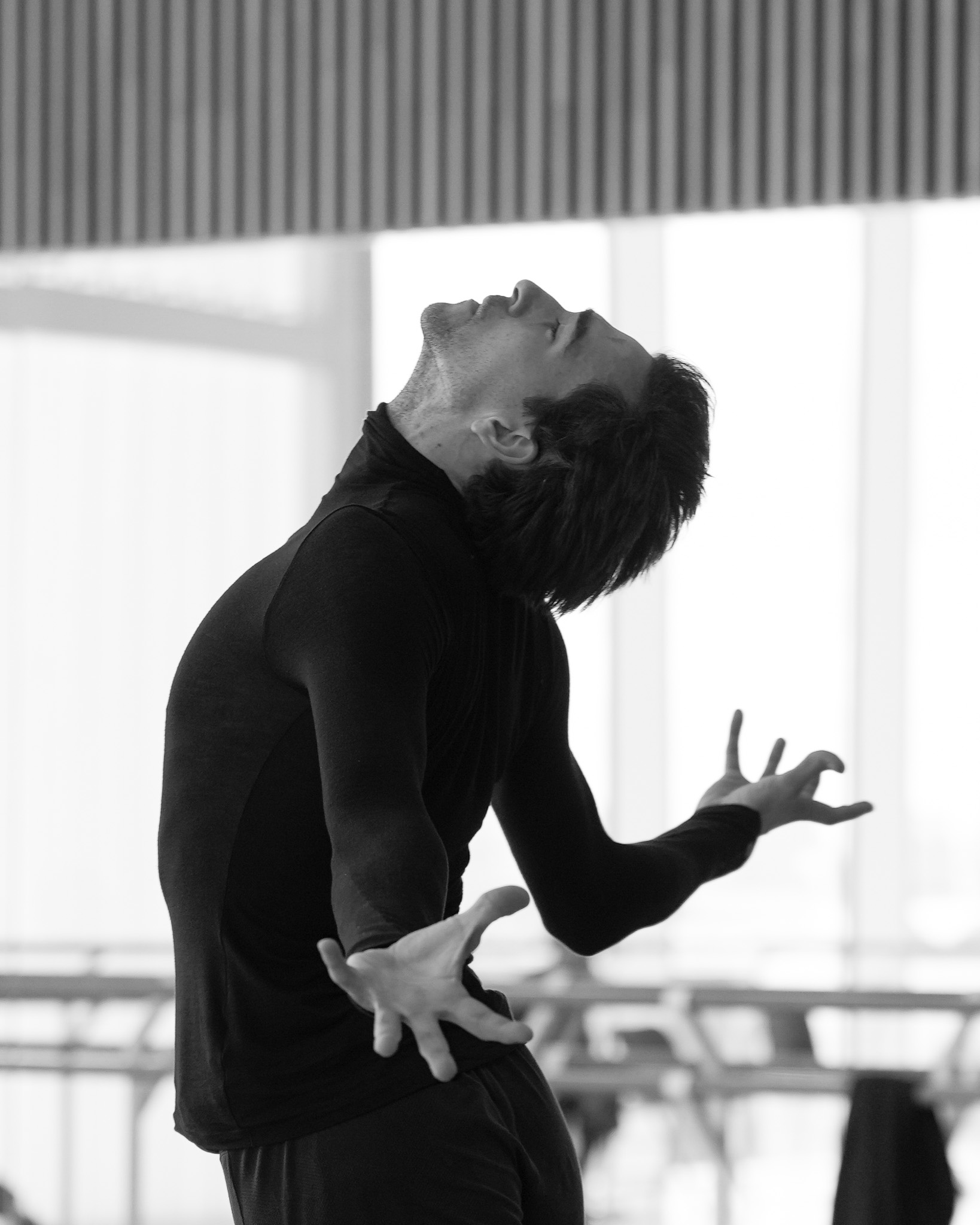
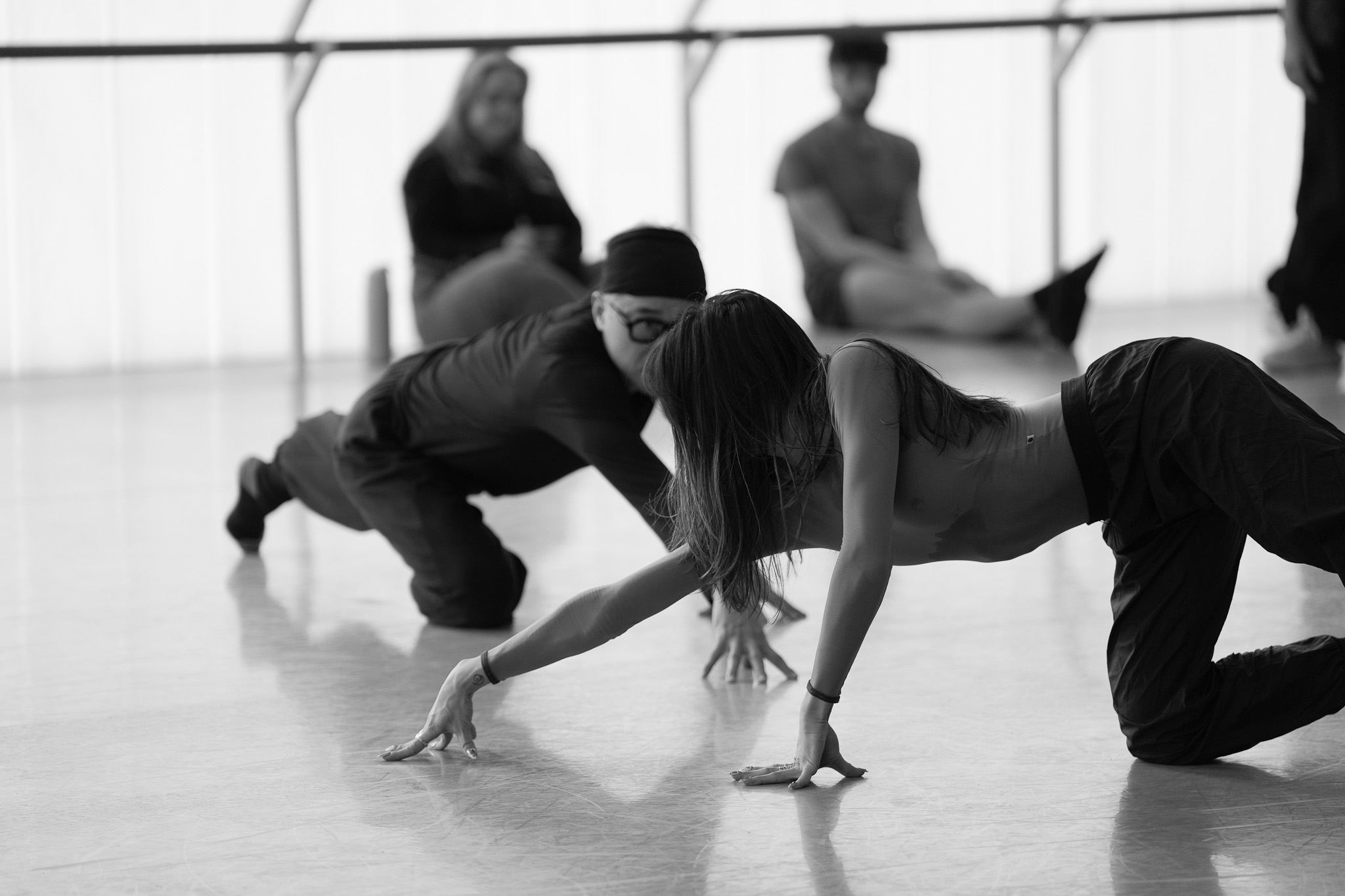
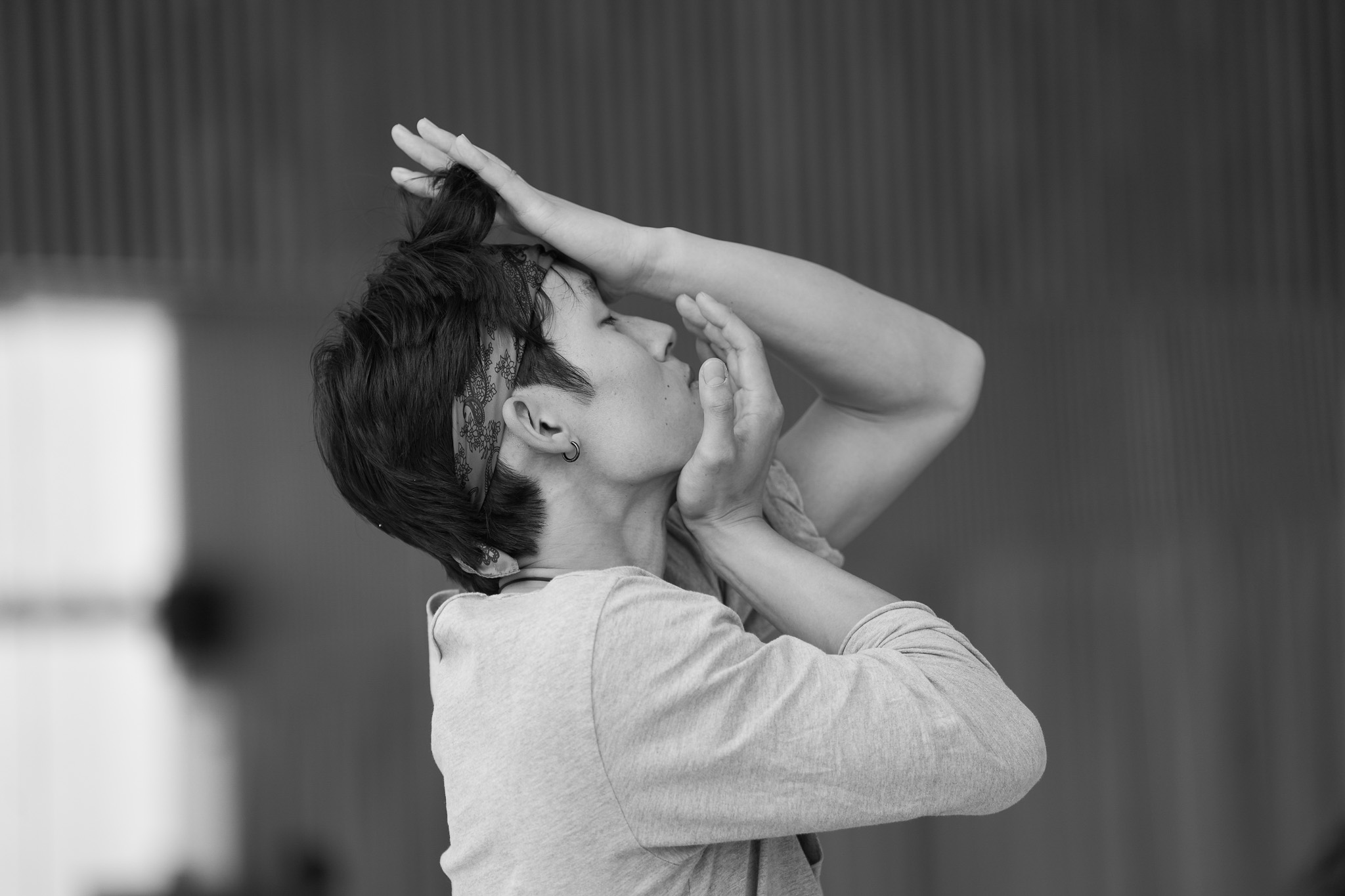
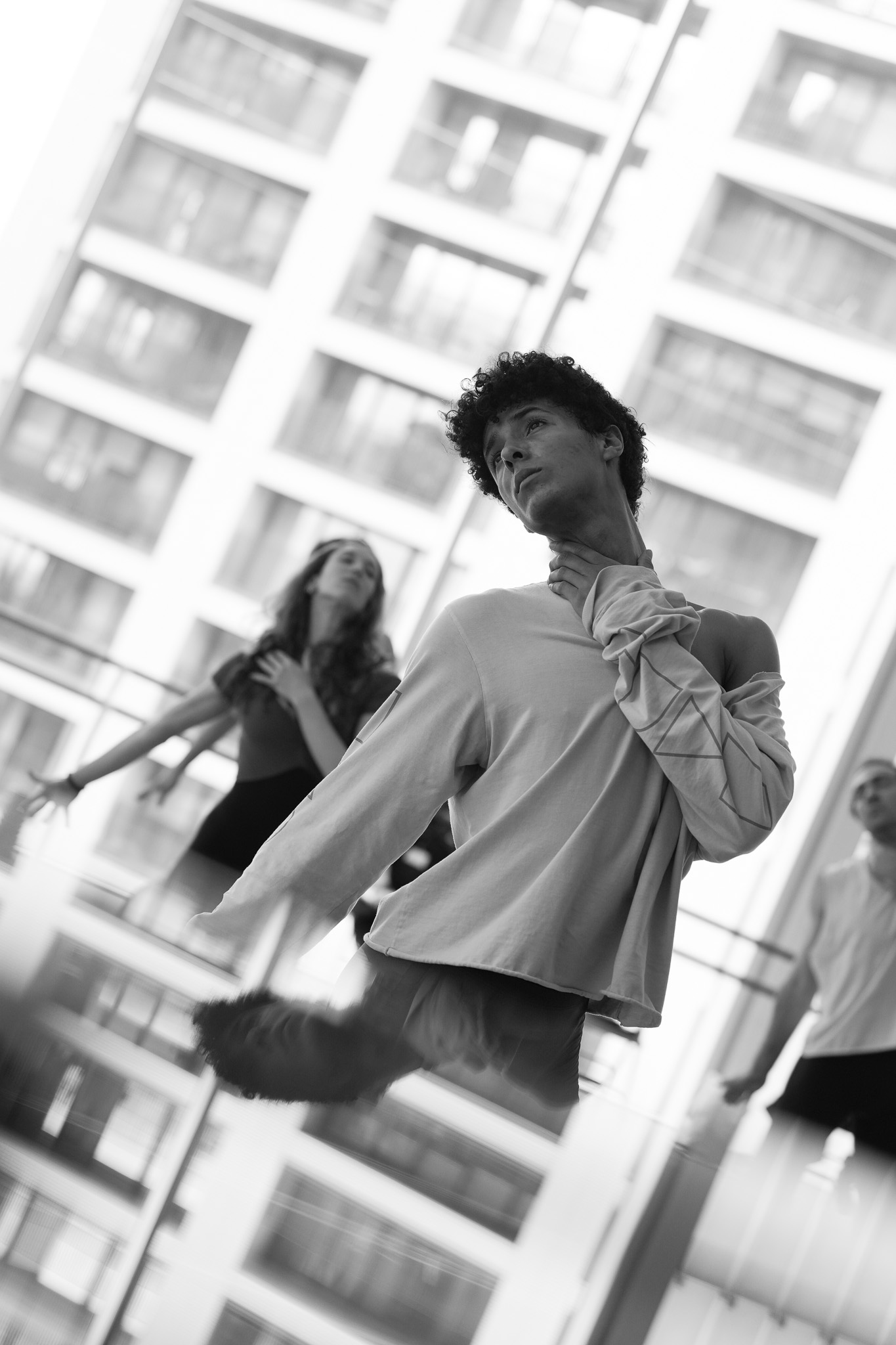
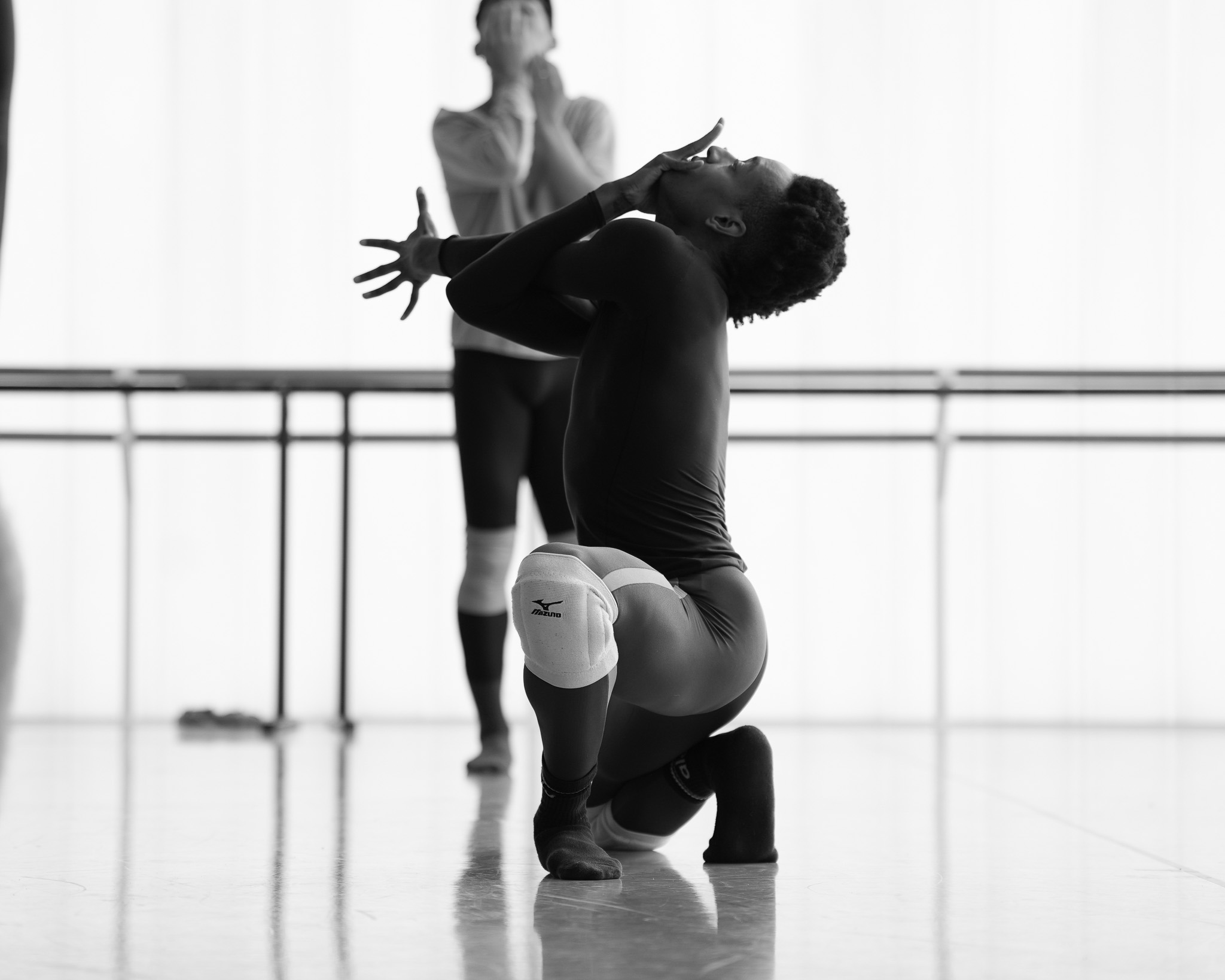
The score brings together two pieces of music by Peteris Vasks, Musica Dolorosa and Musica Serena. The Latvian composer is known for writing orchestra music that is contemplative. Long string notes, seemingly filled with mourning and hope, build up to create a sense of reaching up towards light. “It’s incredible expressive”, says Watkin. “It often sits between stillness and quite intense emotional surges”.
“When I listen to his music”, says Joo, “I hear nature crying out, mourning what humanity has lost. This is why his music is so important for this work.”
Listen to Musica Serena here:
Bow Out: the freedom of unstoppable rhythm
Finally, Bow Out, by Micaela Taylor, is about the groove that can takes hold of the body, making us feel alive and free.
The inspiration behind the work is the tap dancing duet the Nicholas Brothers. You probably know them from their iconic Jumpin’ Jive routine, where they tap, dance and jump their way up and down stairs.
Micaela Taylor, who lives in LA, says she “was just mesmerised by their explosive energy. They were so dynamic, but they were also sophisticated”. In her piece, she wants to marry those two sides. “That charismatic energy, it’s impactful and it’s contagious. I hope people are moved by that”.
Enjoy the Nicholas Brothers’ iconic routine:
Taylor trained in hip-hop, jazz and ballet. Her movement style reflects that, mixing groove and articulation of body parts with classical lines. She also choreographs facial expressions: “they are really vital in my work. I think the way that someone looks out of the eyes, how they can even flutter or roll the eyes, it can change things a lot. It’s a powerful tool to change the way someone moves.”
Taylor premiered a new piece for Paris Opera Ballet in June 2026. The newspaper Les Echos wrote that she “infuses her movement with a more tenacious physicality—shifts to the floor, rhythmic jumps, and elements borrowed from street dance”, calling her “a choreographer to watch.”
Designs by Candice Mac will nod to the Nicholas Brothers’ style, while the music by Tru (a regular collaborator of Taylor’s) will include jazz cymbals, drums and horns before stepping into more classical territory.
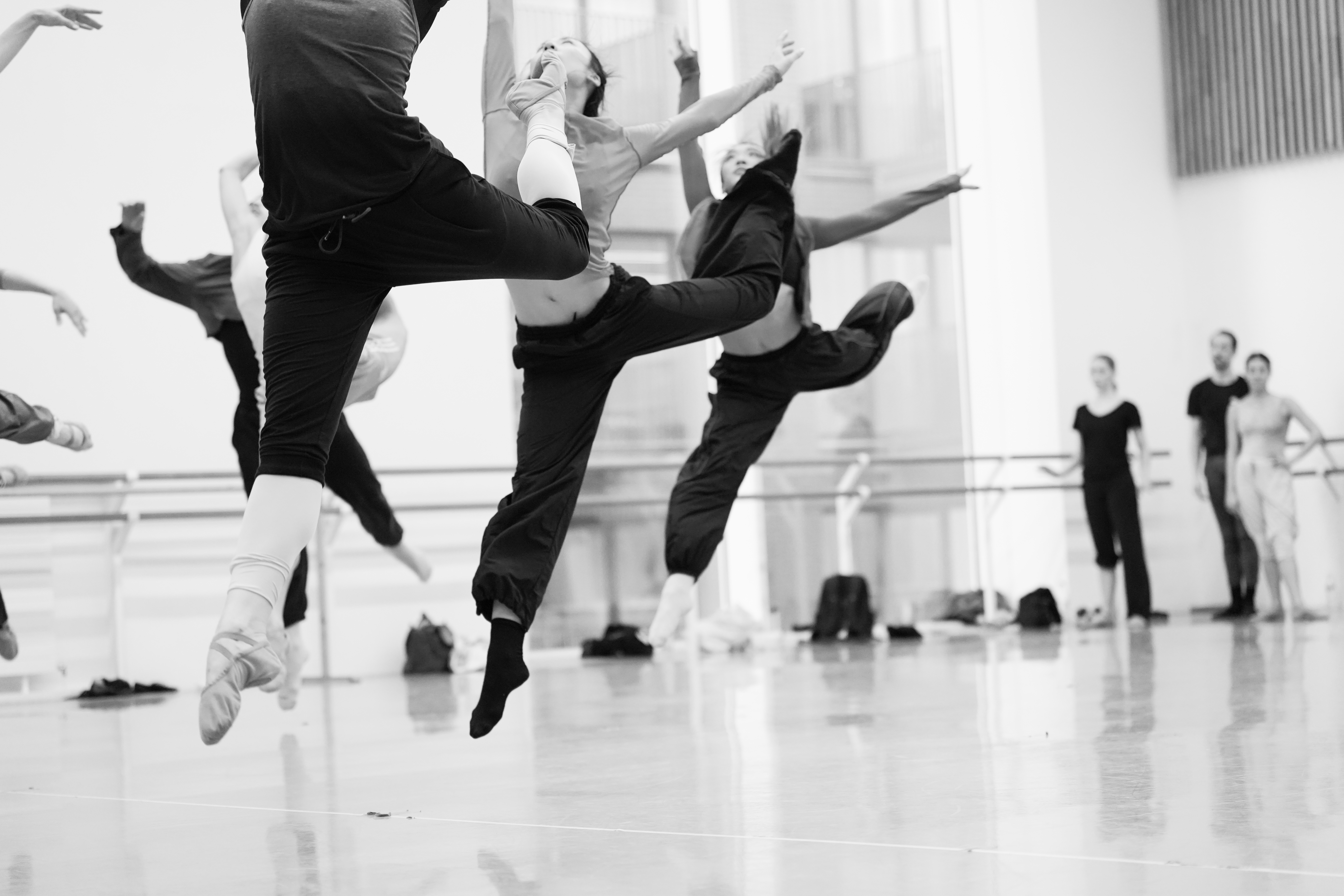
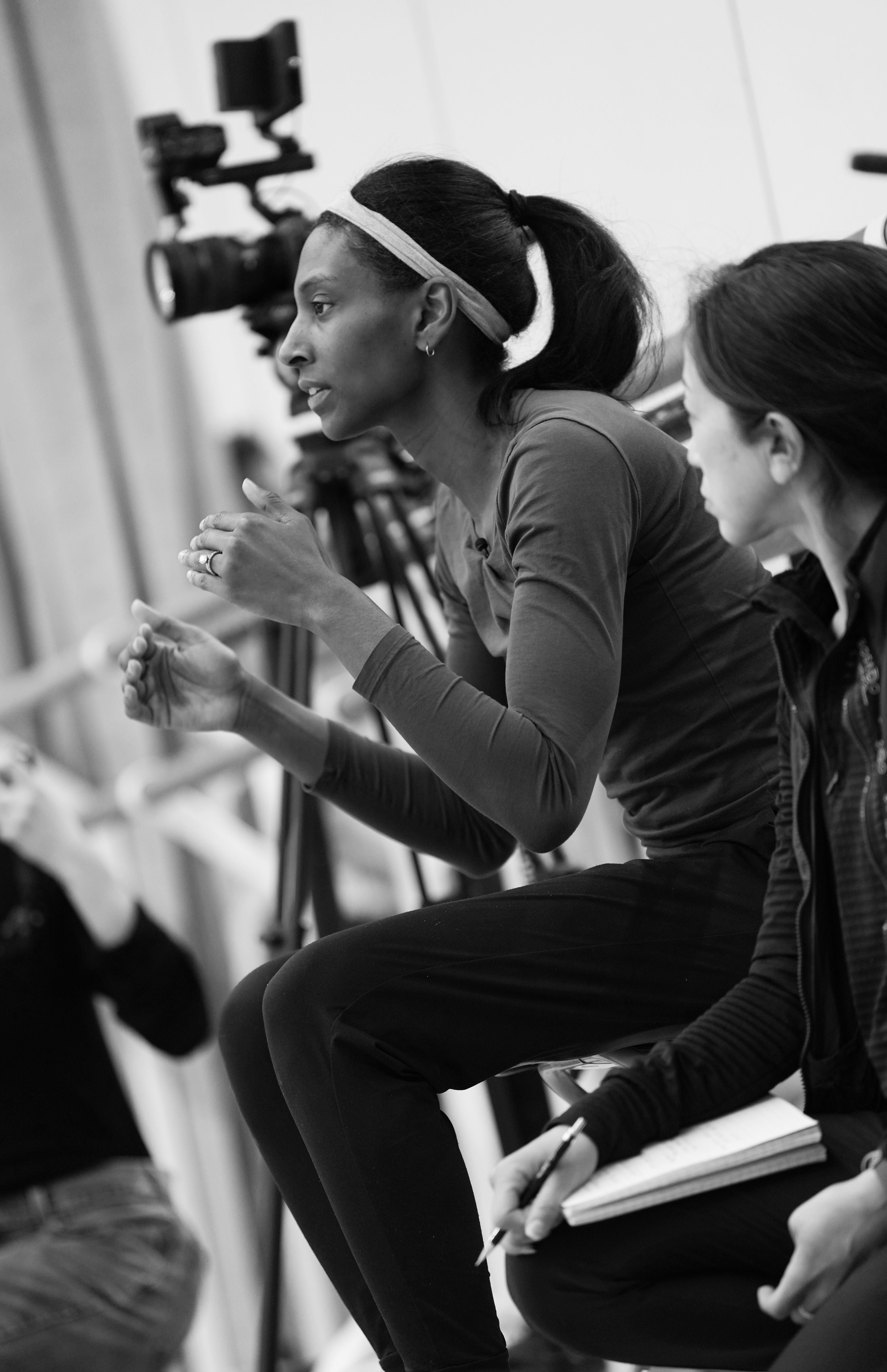
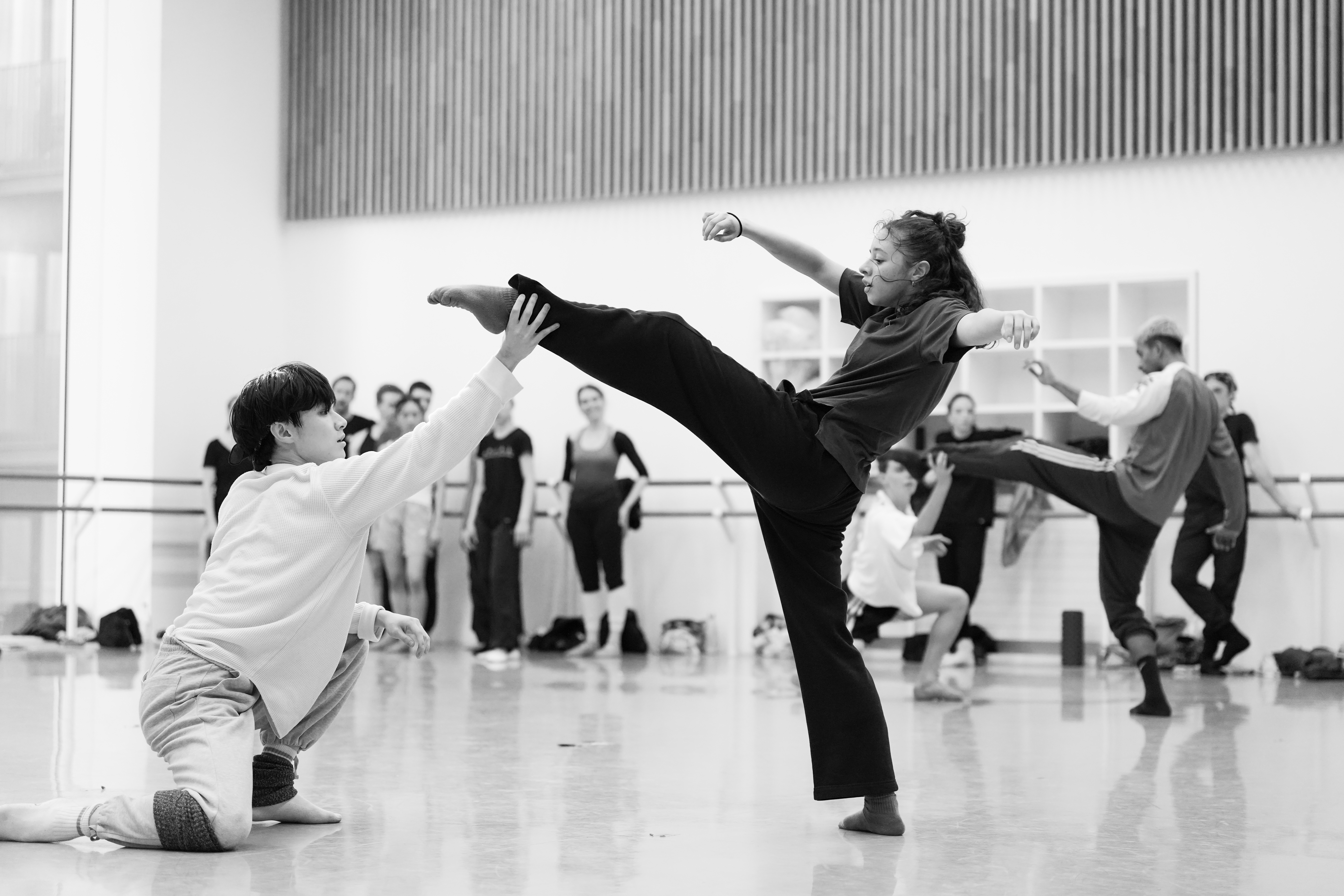
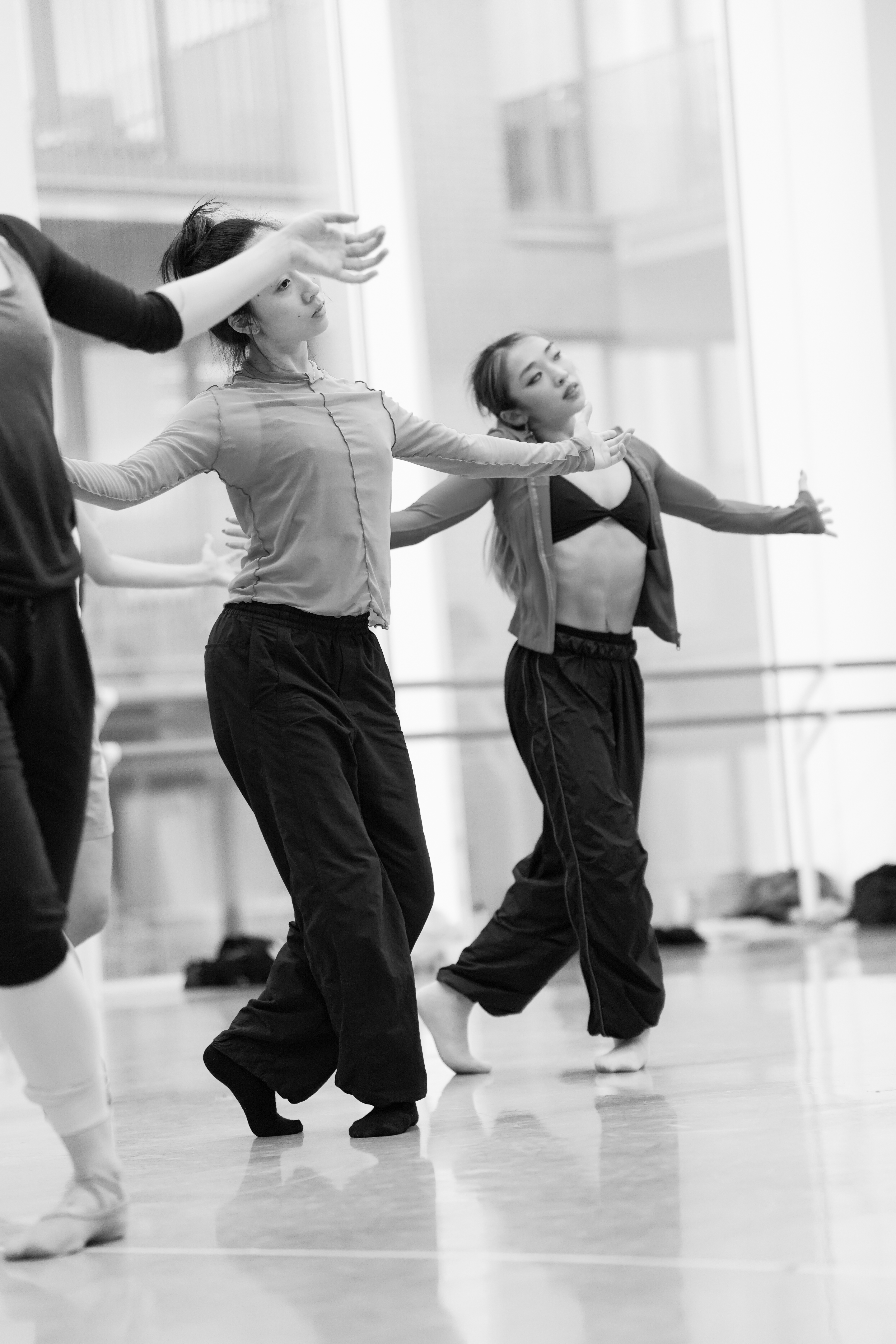
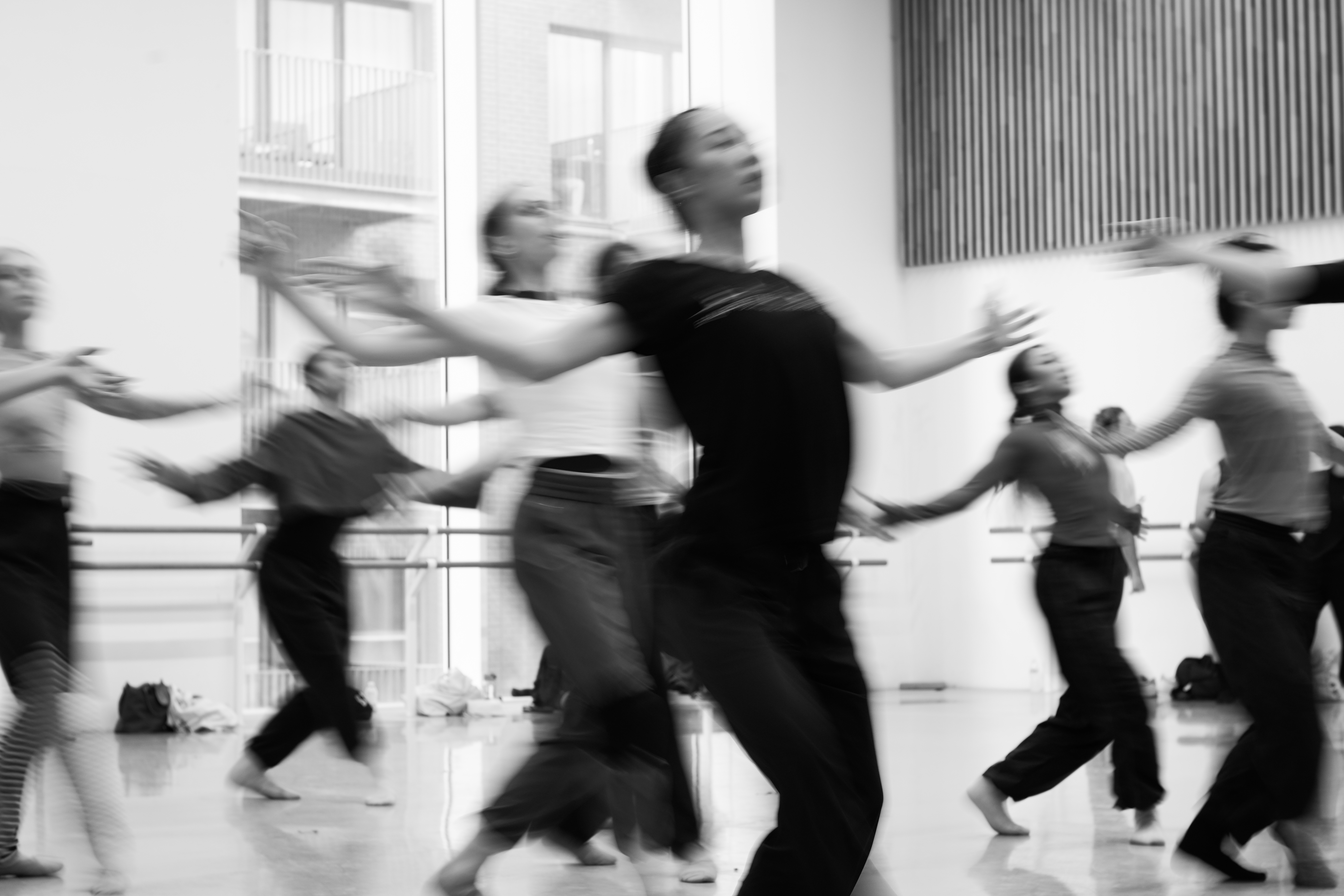
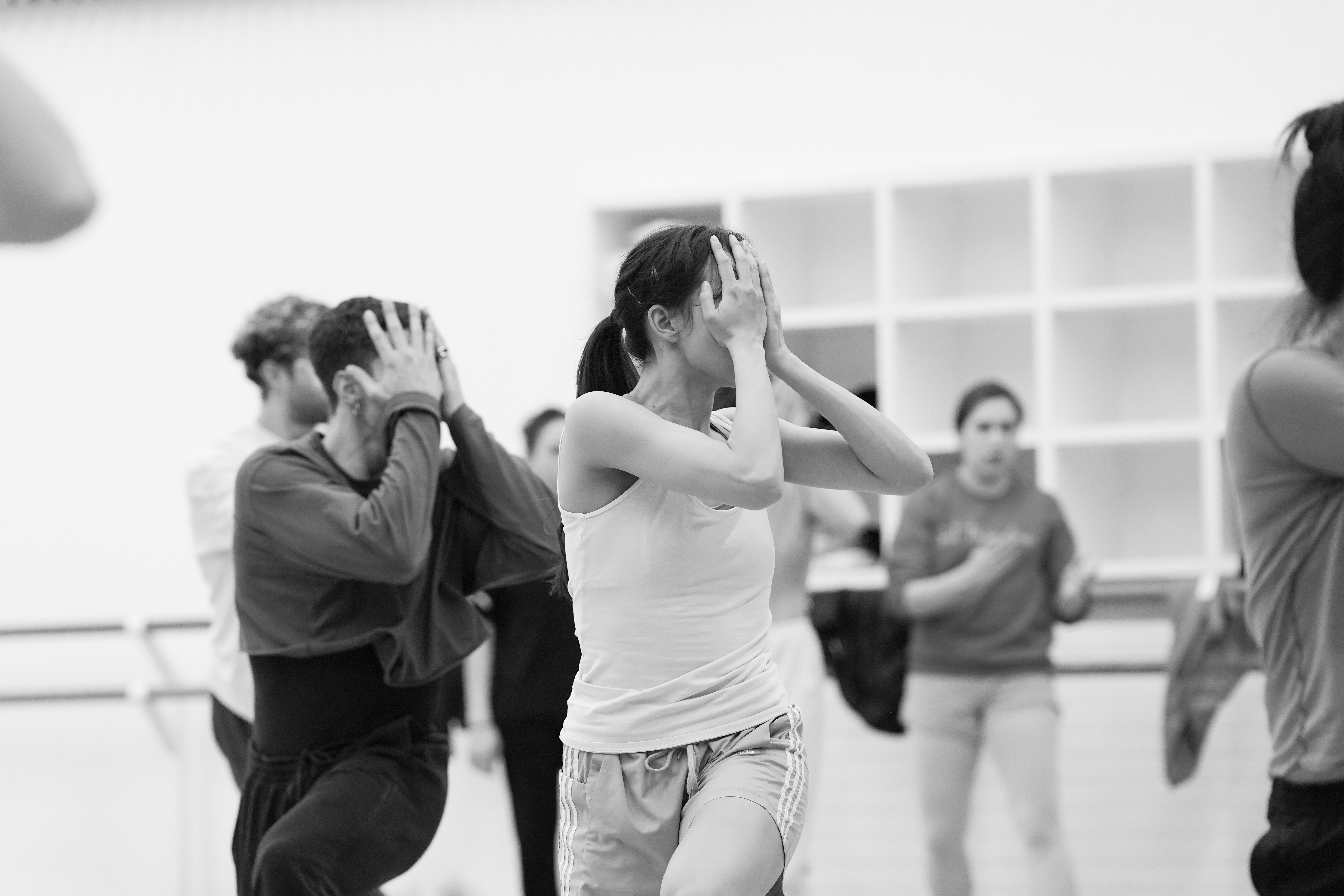
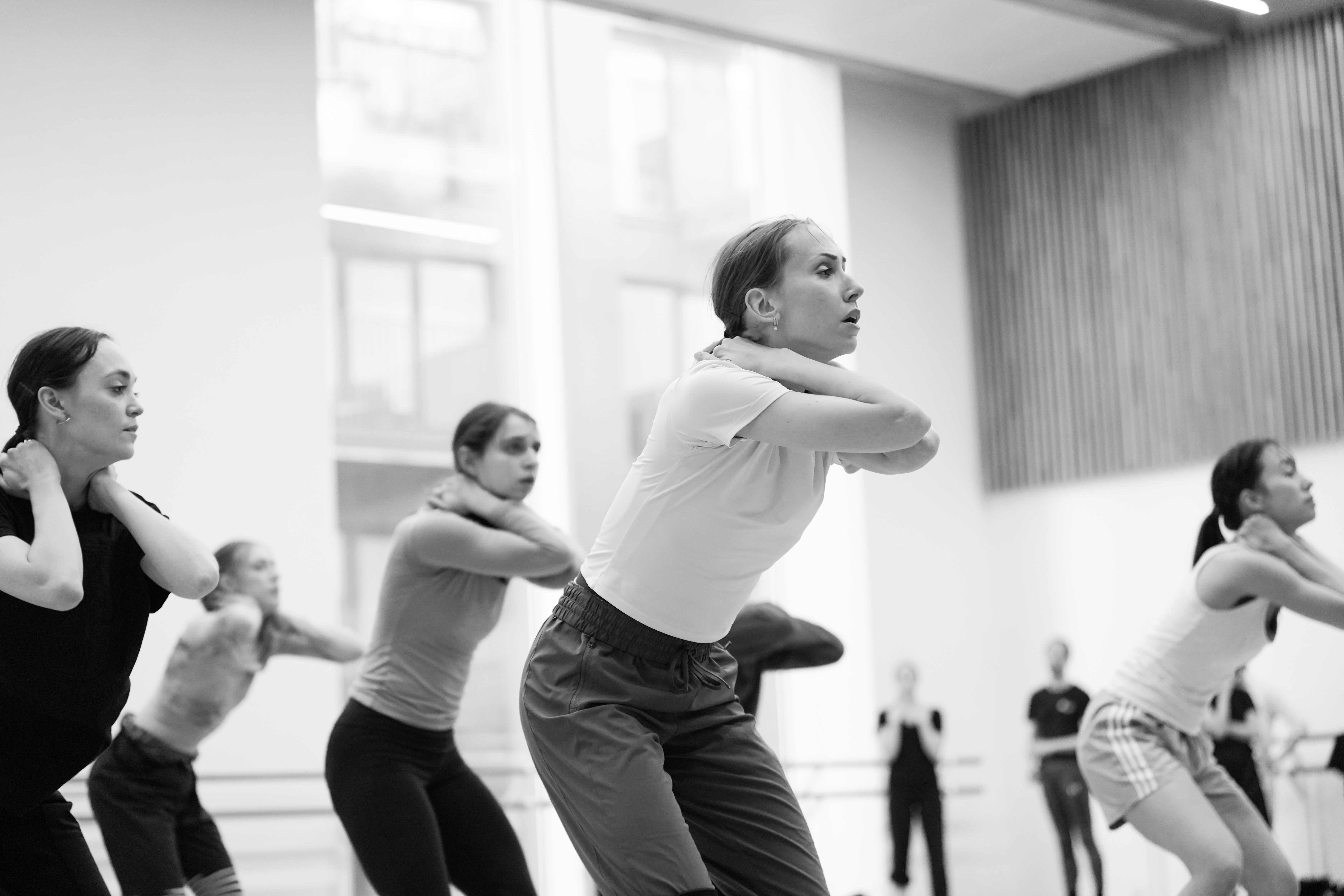
In Rehearsals: Bow Out
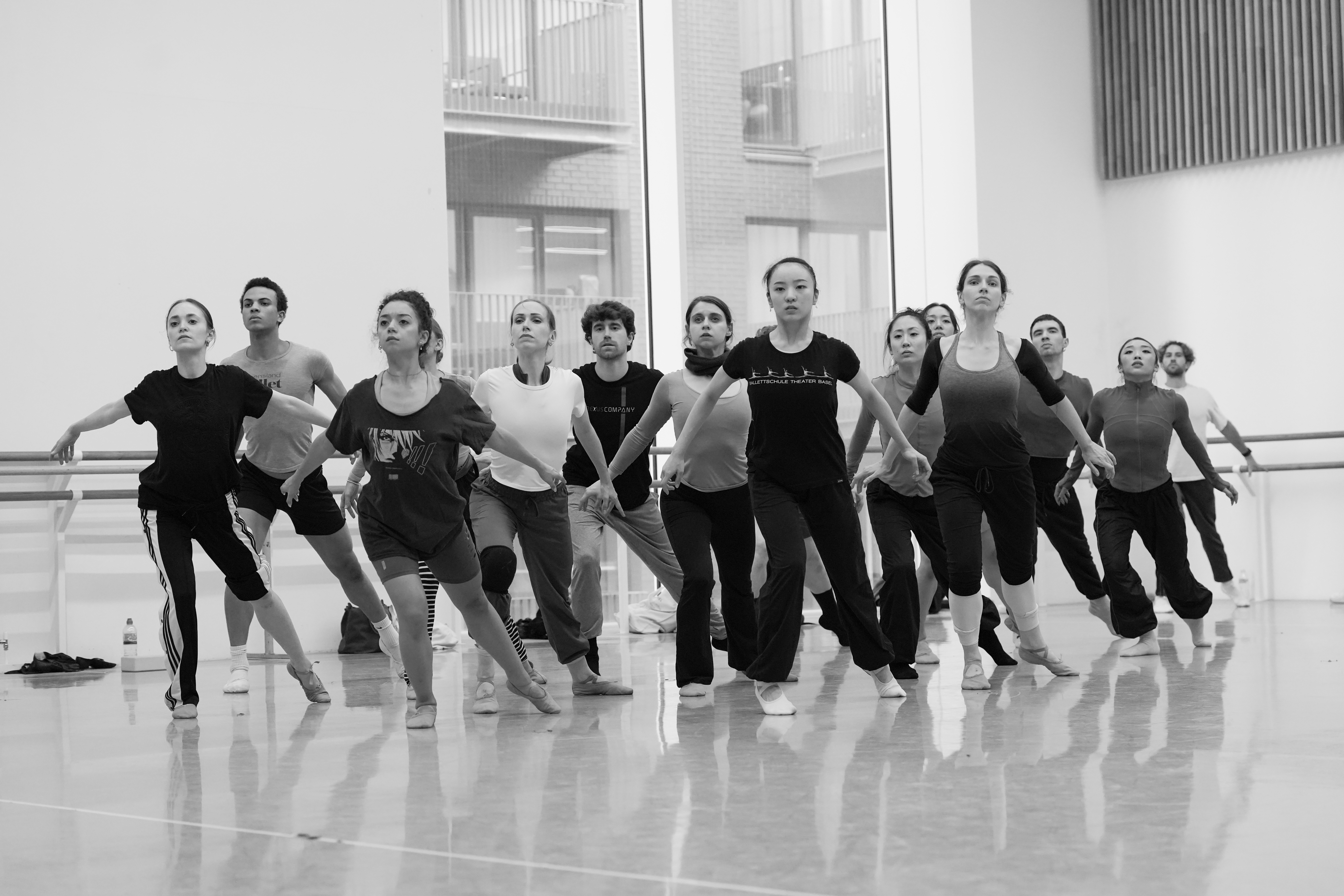
One stage. Three moods. English National Ballet’s new show, Rhythm Riot, is at Sadler’s Wells Theatre in London on 24 Sep – 3 Oct.
Related news


Introducing Micaela Taylor
Aaron S. Watkin talks about the LA-based choreographer and the essence of her new work, Bow Out.

5 things you didn’t know about George Balanchine’s Symphony in Three Movements
As we prepare to showcase Symphony in Three Movements in September, here are five things you might not know about...

5 things to look out for in Bow Out
Fresh, bold, and full of infectious energy - here are 5 things to watch out for in Bow Out by...

Introducing Symphony in Three Movements
Aaron S. Watkin reveals what is so special about Balanchine's masterpiece.